-
highlight
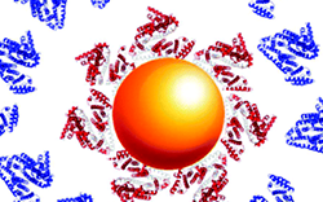
New study enables characterisation of nanomedicine drug-delivery
-
highlight
The fate of Fröhlich polarons in strontium titanate
-
highlight
2015 saw the Angle-Resolved Photoemission Spectroscopy (ARPES) beamline, known as I05, publish 22 articles in 13 different journals (including Nature Nanotechnology, Science, and Nature Physics). Here we get a taste of what I05 can do, and with summaries of the big hitters from last year.
-
highlight
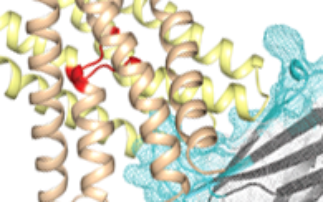
The unique structure of a double-barrelled fluoride ion channel
-
highlight
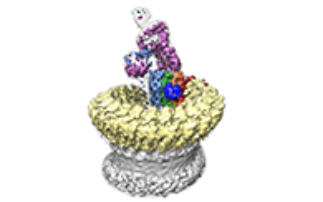
The incredible structure of a human pore that punches holes in bacteria
-
highlight
Coupling an AFM to an IR bemaline breaks the diffraction limit
-
highlight
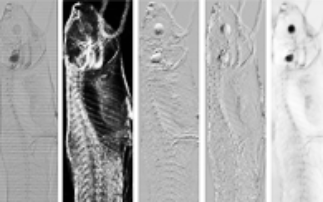
Quick and simple setup gives rich info with a reduced dose
-
highlight
Ground-breaking study in Phy Rev Lett shows how two ferromagnetic layers talk to each other.
-
highlight

First cryo-EM paper shows how bacteria cling to host tissue
-
highlight
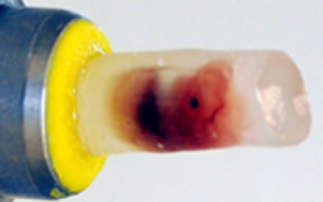
High-contrast, high-resolution imaging pinpoints density difference
-
highlight
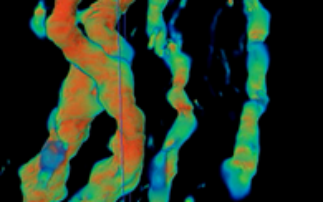
Tomography mimics subsurface geology conditions for deep geological sequestration
-
highlight
Variants in enzyme proved to not hinder drug’s activity
-
highlight

Discoveries in electron spin behaviour fine-tune theoretical knowledge and hint at huge technological leaps to come
-
highlight
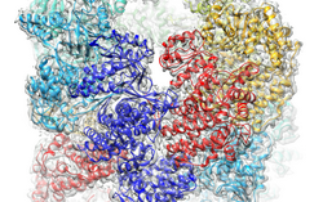
The first automated data set of a test specimen, GroEL, has been successfully collected on the Diamond Titan Krios I with the world's first EPU imbedded bioquantum-K2 detector
-
highlight
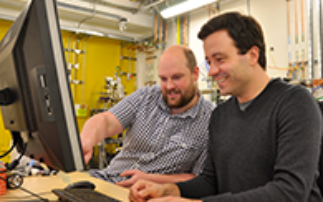
Tomography processing enhanced by new modular pipeline
-
highlight

A comprehensive study of the epitaxial Fe/graphene interface by means of X-ray magnetic circular dichroism
-
highlight
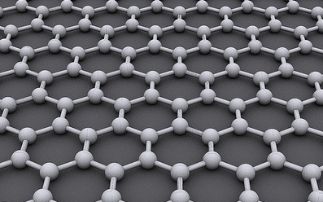
Professor Asa Barber talks to us about combining Atomic Force Microscopy and in situ µFT-IR spectroscopy on B22
-
highlight
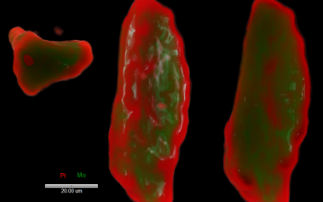
Chemical tomography techniques show the location and chemical structure of catalysts during operation in the liquid phase
-
highlight

Discovery could lead to data storage operating thousands of times fast than at present
-
highlight

Processing conditions affecting crystal structure and efficiency of leading photovoltaics