-
highlight
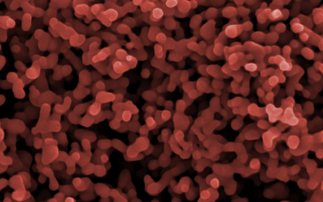
Using deep eutectic solvents for a greener process
-
highlight

-
highlight
.png)
Plants used as factories to produce a safer vaccine
-
highlight
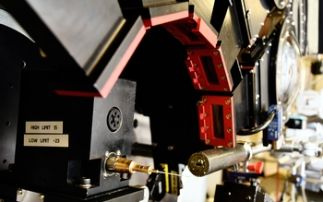
Characterising the structure of breathing MOFs
-
highlight
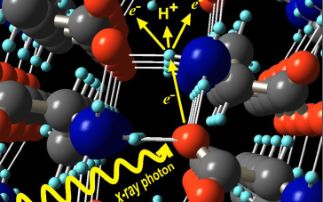
Tracking hydrogen electron charges in amino acids
-
highlight
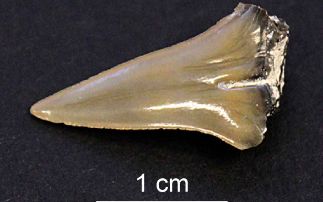
Novel method for analysing valuable crystalline samples
-
highlight
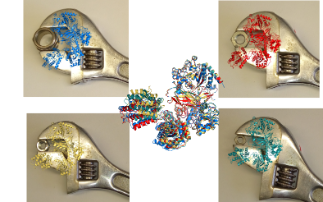
Revealing the structure of an elusive quality control enzyme
-
highlight

The structure and agonism of an insulin stimulator
-
highlight
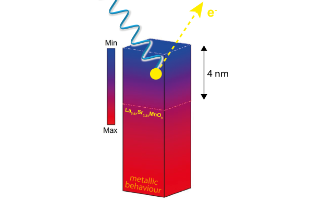
Quantifying the crossover from surface to bulk properties in spintronics
-
highlight

Synthetic ferrimagnet nanowires make more efficient memory devices
-
highlight

Researchers concentrate zinc into the edible part of barley grains
-
highlight
The encasing of proteins in silica to improve their thermal stability
-
highlight
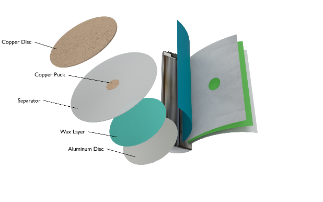
How short circuits can lead to thermal runaway in Li-ion batteries
-
highlight

Investigating the reactivity of organic aerosol films
-
highlight
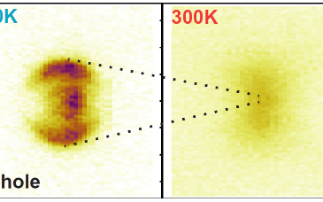
Understanding FeSe with ARPES spectroscopy at I05
-
highlight
The structure of a pathogenic effector protein from Legionella pneumophila
-
highlight
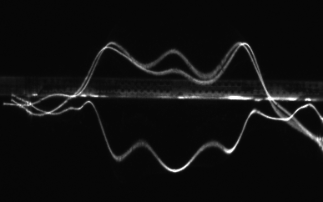
Novel technique measures warpage in next-gen integrated circuits
-
highlight
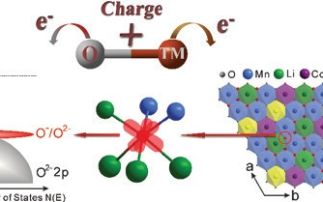
Conventional lithium ion batteries work by storing charge through redox changes involving cations. However the storage capacity is limited by the redox capacity of tradition metal ions in the cathode. Newer lithium-rich cathodes on the other hand are able to exceed this limit, leading researchers to believe that the anion must be playing a role. However, the mechanism of behavio had yet to be experimentally verified.
-
highlight
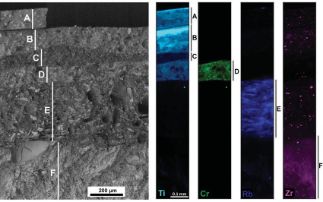
It is estimated it will cost £117 bn and take more than 100 years to deal with the UK’s legacy of radioactively contaminated waste materials from our nuclear past. This waste includes 2.5 million tons of cementitious materials from power stations: decontamination of this waste greatly reduces its volume and reduces disposal costs enormously and understanding the chemical speciation of radionuclides in the waste is key to optimising decontamination now, and planning for new facilities in the ...
-
highlight
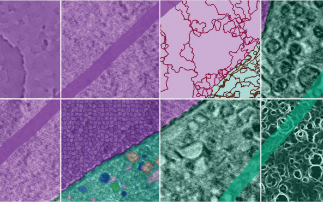
A new suite of software tools and machine learning for 3D volume analysis