-
highlight
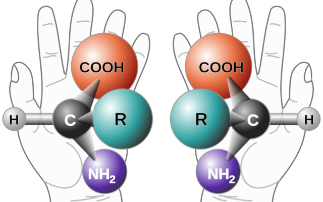
Inducing chirality in nonchiral compounds
-
highlight
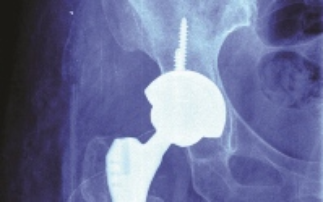
Characterising the chemical form of metals in human bone cells.
-
highlight
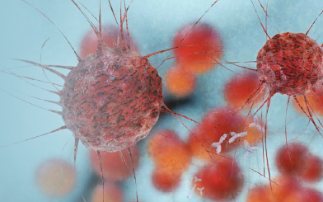
Medical imaging potential for highly fluorescent Bodipy-phosphine complexes
-
highlight

Ultrafast computers on the horizon thanks to new spin charge research
-
highlight
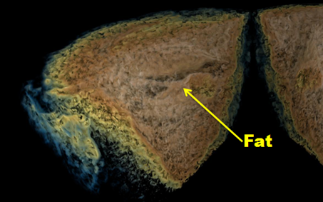
Innovative speckle technique could lead to simple imaging devices
-
highlight

Understanding spin relaxation in topological insulators
-
highlight

Improving efficiency of photovoltaic cells by exploring long-range ordering of nanocrystals
-
highlight

Imaging magnetoelectric coupling between barium titanate substrates and nickel films
-
highlight
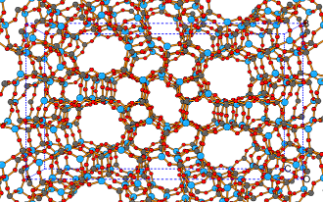
X-ray diffraction measurements aid solving of most crystallographically complex zeolite structure published to date
-
highlight
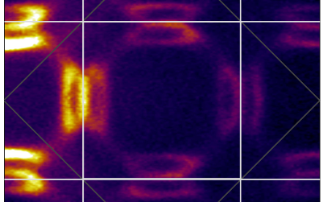
ARPES measurements reveal coherent quasiparticle states in search for superconductivity in iridates
-
highlight

Sulfur content of volcanic gases linked to Mesozoic mass extinctions
-
highlight
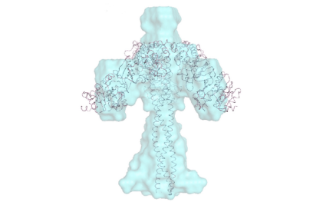
New findings offer potential to outsmart bacterial infections
-
highlight
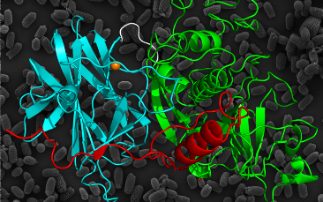
The first crystal structure of Cysteine protease from Clostridium difficile
-
highlight
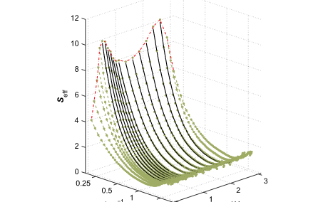
Investigating protein-protein interactions at high pressure with small angle X-ray scattering
-
highlight
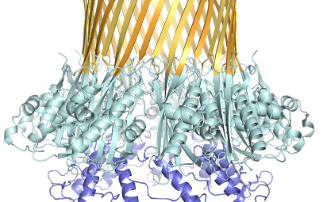
New insights into bacterial protection mechanisms published in Nature.
-
highlight
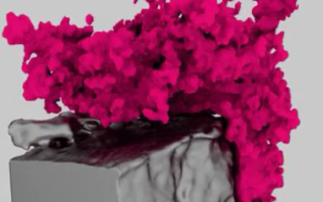
Metallic deposits at sub-micron resolution improves understanding of lithium battery failure
-
highlight
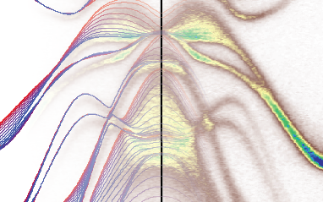
Research published in Nature Physics opens up the potential for a new class of materials in which spins can be controlled for possible logic applications.
-
highlight
A collaboration including scientists from Diamond Light Source have helped to develop a new tool to investigate the liquid to glass transition – one of the lesser understood areas of condensed matter physics.
-
highlight
Results published in Biophysical Chemistry have shown that FTIR in imaging mode can investigate biochemical processes in living cells that are related to their metabolic activity.
-
highlight
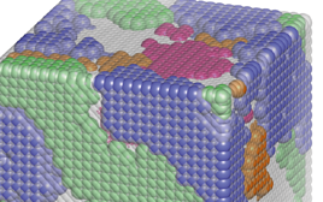
Analysing defect correlations in a metal–organic framework