





• Diamond Home page
  • About
  • For Users
  • Public
  • Industry
  • Instruments
  • Careers
  • More Show more menu items
Search

About

  • About Diamond
  • About Synchrotrons
  • News and Features
  • Events
  • Contact Us
  • FAQ

For Users

  • Apply for beamtime
  • User guide
  • Diamond Users Commitee
  • FAQ
  • User Administration System
  • iSpyB

Industry

  • Techniques Available
  • Industry Research
  • Industry Case Studies
  • News
  • Meet the Industry Team

Science

  • Research
  • Computing
  • The Machine
  • Publications
  • Research Expertise
  • Membrane Protein Laboratory
  • Additional Facilities
  • Publications Database

Instruments

  • Biological Cryo-Imaging
  • Crystallography
  • Imaging and Microscopy
  • Macromolecular Crystallography
  • Magnetic Materials
  • Soft Condensed Matter
  • Spectroscopy
  • Structures and Surfaces

Diamond-II

  • Science
  • Machine
  • Beamlines
  • Software, Control and Computing
  • Infrastructure

Public

  • Public open days
  • School visits
  • Partner with Diamond
  • Explore Diamond

Procurement

  • Non-OJEU Tender Notices
  • OJEU PINs
  • OJEU Tender Notices
  • Registration Form

Careers

  • Vacancies
  • Info for applicants
  • Company Benefits
  • Apprenticeships
  • PhD Studentships
  • Work Placement

Main Content

A brighter light for science
Sub-navigation
  • About
  • Governance
  • Legal and Compliance
  • News and Literature
  • Events
  • Contact

In This Section

Sub Navigation
  • Latest News

Opportunities at Diamond

Learn more about career and student opportunities at Diamond:

Vacancies

Students

  1. Diamond Light Source
  2. News

News

Pagination

  • Previous
  • 1
  • ...
  • 48
  • 49
  • Current50
  • 51
  • 52
  • ...
  • 69
  • Next
  • highlight
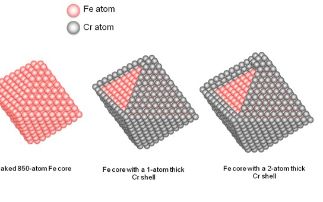
    Core-shell nanoparticles in a nutshell

    Core-shell nanoparticles in a nutshell Nov 15, 2013

    Two coats are better than one to bring nanomagnetism out of its shell. Diamond Light Source has been used to determine that at least two chromium atomic layers are required to stabilise important magnetic effects at the interface of iron-chromium nanoparticles. Understanding these new nanoscale effects should help efforts to develop advanced computer memory devices.

  • news
    Making it Crystal Clear

    Making it Crystal Clear Nov 12, 2013

    Scientists on a mission to inspire the public

  • news
    Ancient Climate from Plankton Shells

    Ancient Climate from Plankton Shells Oct 30, 2013

    Results could help scientists trace climate change

  • news
    Bragg Centenary Celebrations

    Bragg Centenary Celebrations Oct 21, 2013

    How a father and son changed the world

  • news
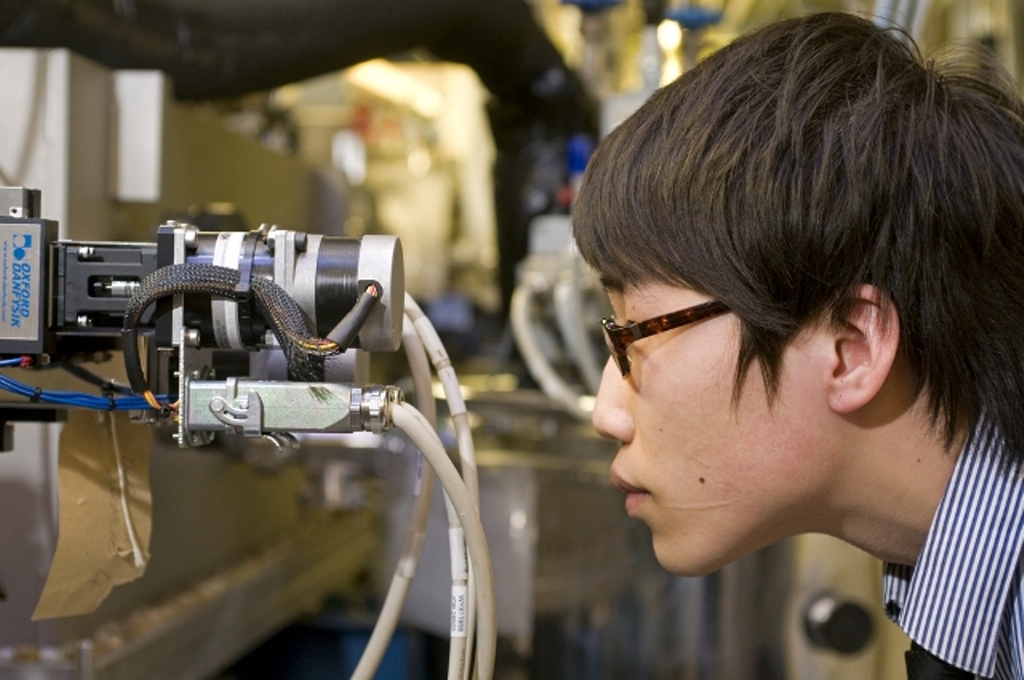
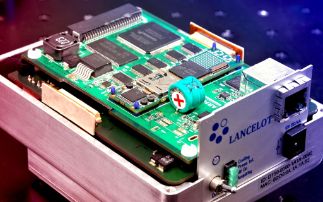
    Smart new in situ tool keeps X-rays on track at national science facility

    Smart new in situ tool keeps X-rays on track at national science facility Oct 21, 2013

    New beam imaging instrument built

  • news
    Amazing Grains

    Amazing Grains Oct 14, 2013

    Forget goji berries, wheat grains are the new superfood

  • highlight
    New insights in copper chemistry

    New insights in copper chemistry Oct 14, 2013

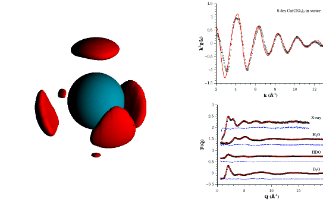
    Copper ions form an important part of everyday life, as they are incorporated into a number of proteins and enzymes, amongst which are some that help the body to respire, fight infections and maintain health bones and tissues. Understanding how these ions are accommodated in a solution of water is key to understanding many of these processes.

  • highlight
    Probing unique magnetic materials

    Probing unique magnetic materials Sep 23, 2013

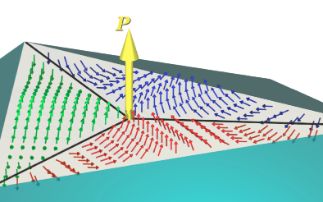
    Much as some materials exhibit ferromagnetic properties, meaning they form permanent magnets, some are known to exhibit ferroelectric properties, where the material possesses a spontaneous electric polarization. Rarely, materials possess both these properties, and are known as multiferroics. Scientists working at the Diamond Light Source have now been able to probe the magnetic properties of a multiferroic using the beam line I16

  • Light Reading

    Light Reading Sep 1, 2013

    We think science is inspirational, and we ran Our Light Reading Short Story Competition to encourage creativity inspired by our science.

  • news
    The Story of Crystallography

    The Story of Crystallography Aug 13, 2013

    How the Braggs changed the world

  • news
    Scientists unlock structure of elusive ‘stress’ protein

    Scientists unlock structure of elusive ‘stress’ protein Jul 17, 2013

    Potential new drug treatments for depression, diabetes and osteoporosis

  • Scientists unlock structure of elusive ‘stress’ protein

    Scientists unlock structure of elusive ‘stress’ protein Jul 12, 2013

    Scientists unlock structure of elusive ‘stress’ protein

  • highlight
    Turning the immune spotlight onto cancer

    Turning the immune spotlight onto cancer Jul 11, 2013

    T-cells are a key component of our immune systems, patrolling the body, interacting with proteins on the surface of cells which display small fragments from the cell interior. Usually, these fragments are ‘self’ – small parts of our own proteins. Where infection occurs, the cell displays fragments of the infectious agent, alerting T-cells to the presence of a pathogen. This activates the immune system, and allows the body to act against the invader and destroy the infected cell without ...

  • news
    Laser tweezers to lead to faster breakthroughs in biological research

    Laser tweezers to lead to faster breakthroughs in biological research Jul 3, 2013

    A novel process for selecting and examining protein microcrystals

  • highlight
    “Spice of life”: Indian spice turmeric polyphenol by-products may help inhibit Parkinson's symptoms.

    “Spice of life”: Indian spice turmeric polyphenol by-products may help inhibit Parkinson's symptoms. Jun 20, 2013

    The mis-folding of proteins within our bodies has been linked to a number of wide ranging effects, from common allergies to neurodegenerative diseases. In particular, the protein α-synuclein has been linked to Parkinson's disease. Curcumin (the chemical that gives the Indian spice tumeric its bright yellow colour) has been shown to be a potentially useful treatment, as it is anti-oxidant, anti-inflammatory and has an ability to prevent the build-up of these mis-folded proteins. ...

  • news
    Bright young spark wins synchrotron storywriting competition

    Bright young spark wins synchrotron storywriting competition Jun 12, 2013

    Light Reading for schools competition

  • highlight
    Cellular traffic lights

    Cellular traffic lights Jun 7, 2013

    Building bodies is a complicated business. Thousands of growing cell types, which all need to end up in the right place, doing the right job. Even when we are fully grown, our cells and tissues still need to communicate, and new cells grow and migrate to repair and renew our tissues. To assist with this huge task, the body uses signalling molecules and receptors to direct and guide cells, and to allow communication between different cells in the body. These signals act like traffic lights, ...

  • news
    Open days offer public a glimpse inside the synchrotron

    Open days offer public a glimpse inside the synchrotron Jun 5, 2013

    600 public visitors to Diamond in the summer open days

  • news
    Diamond helps scientists visualise an enzyme from wood-eating gribble that could help turn waste into biofuel

    Diamond helps scientists visualise an enzyme from wood-eating gribble that could help turn waste into biofuel Jun 3, 2013

    Water bug could provide key to greener energy

  • highlight

    New crystal structure helps explain 50 years of research on a novel membrane enzyme in E. coli May 21, 2013

    All cells have a cell membrane, made up of a lipid bilayer. Through this membrane sit the membrane proteins; a vital family of proteins which control how the cell interacts with its environment, and control passage of materials in and out of the cell. The family are challenging to study, as the process of crystallisation – the first step to determining a protein’s atomic structure – is incredibly difficult to perform with lipid soluble proteins. Researchers from Trinity College Dublin have ...

Pagination

  • Previous
  • 1
  • ...
  • 48
  • 49
  • Current50
  • 51
  • 52
  • ...
  • 69
  • Next
  • Contact Us
  • About Diamond Light Source
  • Procurement
  • Supply Chain Transparency
  • Cookie Policy
  • Website Terms of Use
  • Privacy Notice

Diamond Light Source

Diamond Light Source is the UK's national synchrotron science facility, located at the Harwell Science and Innovation Campus in Oxfordshire.

Follow us on Facebook Follow us on Linkedin Follow us on Instagram Follow us on Bluesky

Diamond Light Source Ltd
Diamond House
Harwell Science & Innovation Campus
Didcot
Oxfordshire
OX11 0DE

See on Google Maps

Copyright © Diamond Light Source. Diamond Light Source® and the Diamond logo are registered trademarks of Diamond Light Source Ltd

Registered in England and Wales at Diamond House, Harwell Science and Innovation Campus, Didcot, Oxfordshire, OX11 0DE, United Kingdom. Company number: 4375679. VAT number: 287 461 957. Economic Operators Registration and Identification (EORI) number: GB287461957003.

feedback