Instruments by Science Group
 Macromolecular
 Soft Condensed
  Imaging and
 Biological
 Magnetic
 Structures and
 Crystallography
  Spectroscopy
 I14 Contact
I14 Control room:
Tel: +44 (0) 1235 778570
Principal Beamline Scientist:
Majid Kazemian
Email: [email protected]
Tel: +44 (0) 1235 778222
Science Group Leader
Julia Parker
Email: [email protected]
Tel: +44 (0)1235 778924
I14 Hard X-ray Nanoprobe
Status: Operational
Beamsize: 50nm x 50nm
Energy: 5 - 20 keV
Energy: 5 - 20 keV
Seminar - Dr Cinzia Imberti - May 2026
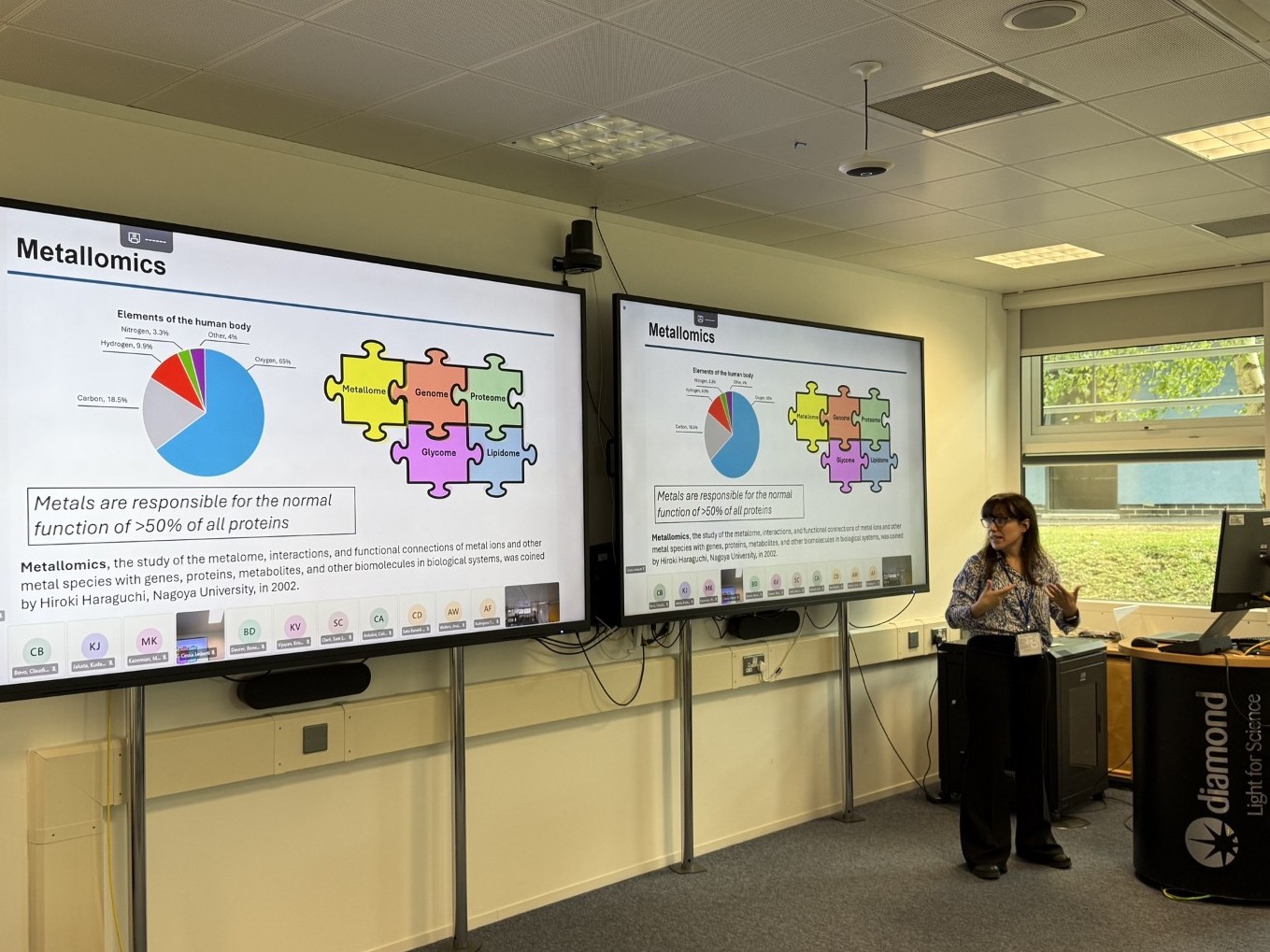
We welcomed visiting scientist Dr Cinzia Imberti (King’s College London) to the I14 beamline on 12 May 2026, where she presented a seminar on Imaging Metallomics: Picturing Metal Behaviour in Cancer (and Beyond).
Metal ions are fundamental to life, acting as essential cofactors and signalling elements, yet their dysregulation underpins many diseases, including cancer. At the same time, non-endogenous metals offer unique opportunities in medicine, with platinum-based drugs still forming a cornerstone of chemotherapy and radiometals emerging as a powerful tool in molecular radiotherapy.
However, understanding how metals function in biology, and how metal-based drugs exert their effects, remains a major challenge due to their low abundance and their complex behaviour in living systems.
In this talk, Dr Cinzia Imberti showed us how her group tracks metals across scale — from cells to whole organisms — using a unique toolbox of imaging approaches. By integrating elemental imaging (including synchrotron XRF) with radionuclide-based techniques, they investigate the distribution, speciation, and trafficking of both endogenous metals and metal-based drugs, with the aim of uncovering new biology and accelerating the development of next-generation metallodrugs.
Advances in Coccolithophore Research - September 2025

I14 beamline scientist Jessica Walker visited the Marine Biological Association in Plymouth, UK to present her research on coccolithophores using the capabilities of the beamline.
Thanks to the organisers for hosting a great meeting, with lots of excellent coccolithophore research shared and discussed!
Work experience - July 2025
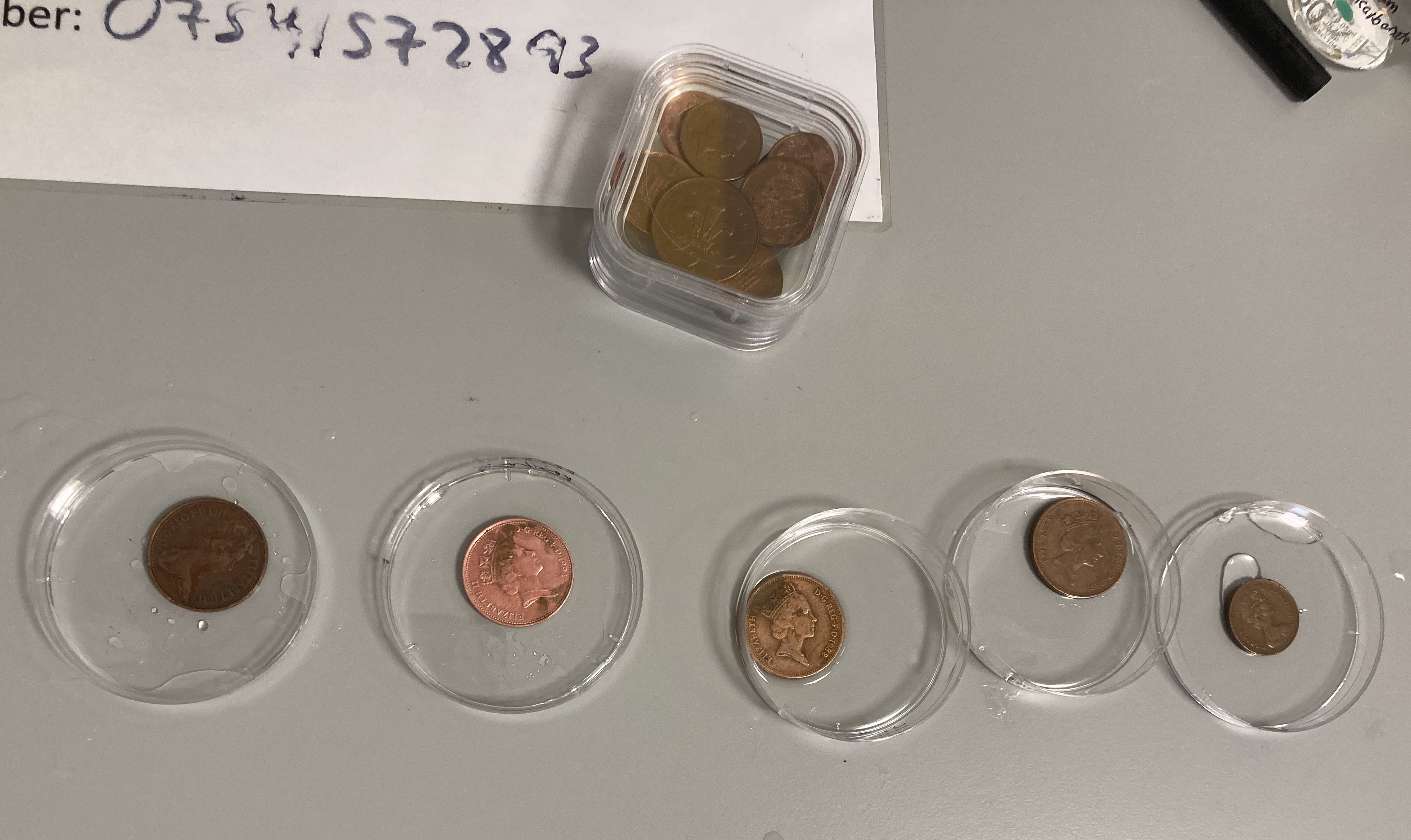
- Testing what cleans coin corrosion best!
I14 hosted three work experience students this year for a week of experiments all relating to corrosion.
The students made their own corroded iron and copper foils, looked at them in the optical microscope and on the beamline. They presented their work at the end of the week, with an excellent presentation in front of other students, parents and Diamond staff.
Well done and good luck for your future plans!
Beamline scientists present at summer conferences - July 2025
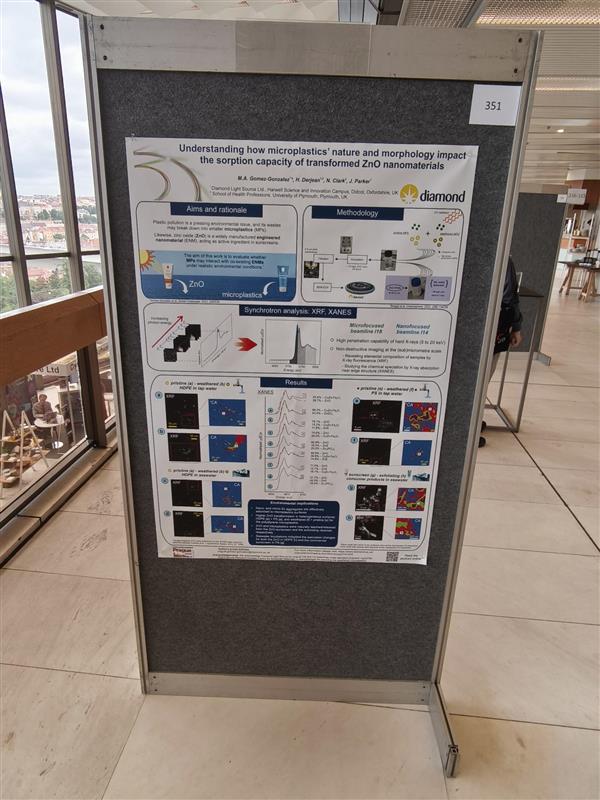
Beamline staff from I14 have been presenting their research at varied science conferences this summer, including a poster presentation by Miguel Gomez-Gonzalez at the Goldschmidt 2025 conference, Prague, and a talk given by Jessica Walker at the 17th International Conference on Materials Chemistry in Edinburgh, both in July. Both shared techniques available on the beamline and how these are being applied to research questions.
Advanced Imaging Techniques in Biomineralization Research – May 2025
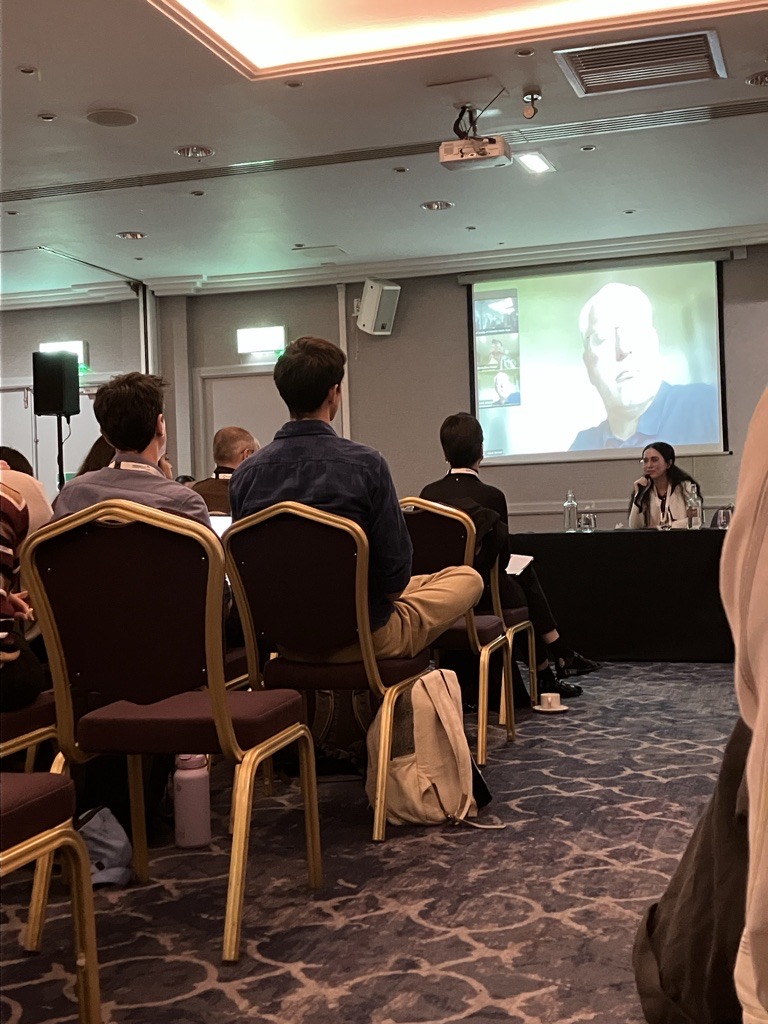
Work from the beamline has recently been contributed to the Faraday Discussion meeting ‘Advanced Imaging Techniques in Biomineralization Research’ at a recent Royal Society of Chemistry meeting in Edinburgh in May 2025.
Papers featuring I14 data were discussed from beamline PhD student Reham Gonnah, beamline user Dan Chevrier, and by Imaging Group leader, Julia Parker and beamline scientist Jessica Walker.
It was great to discuss the work presented, and related topics with the biomineralization community, particularly challenges faced in sample preparation and beam damage.
Fundamentals of PyMCa and MANTiS for XRF and XANES workshop - March 2025
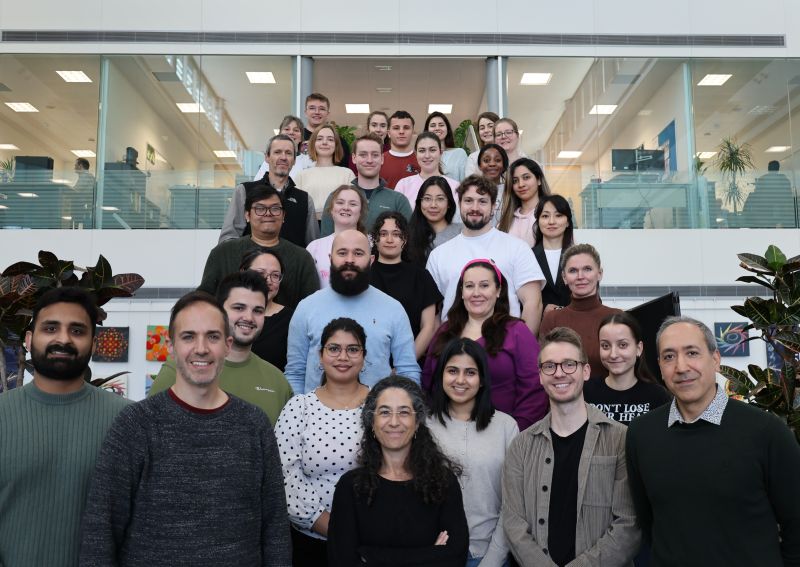
At the start of March we hosted the Fundamentals of PyMCa and MANTiS for XRF and XANES data interpretation workshop 2025.
Jointly organised by the I14 and I18 beamlines, this workshop provided training for the analysis of elemental imaging XRF and XANES data from the nano- and micro- probes.
We had some expert introductions to each technique and each data analysis programme, before working through examples and on participants' own data, with help on hand. Thank you to everyone who attended, our speakers and the staff who worked together to make this event possible.
Transforming global energy solutions with smarter solar technology - February 2025
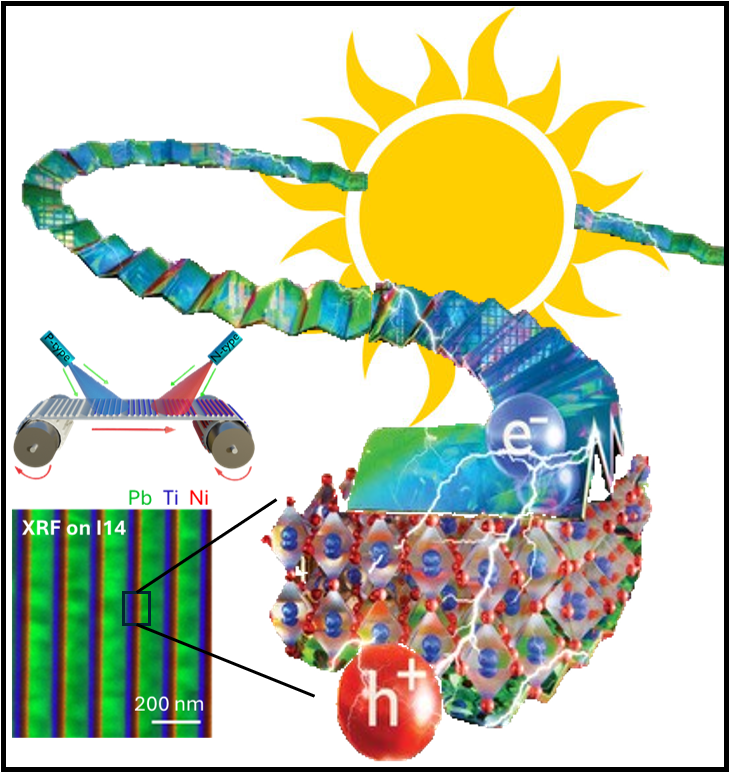
- The grooved plastic films studied with X-ray microscopy.
Recent research conducted on the I14 beamline at Diamond has resulted in an innovation in solar cell design. The studies, conducted by the University of Sheffield, has led to the design of a cell that is more efficient, affordable, sustainable and accessible than traditional solar technology. The research, published in ACS Applied Energy Materials, highlights the development of this new type of solar cell which uses a perovskite semiconductor. Unlike other perovskite solar cells, these are made by embossing tiny grooves into a plastic film which are then filled with the perovskite material.
Using this material eliminates the need for expensive and scarce materials like indium, which will make the new design both sustainable and affordable. The grooved plastic films are flexible and lightweight, making them ideal for surfaces that are not able to support the weight of traditional solar panels. This could change not just how we currently use solar power but opens new possibilities in locations and countries that lack the infrastructure necessary for solar technology.
Read the full article here.

Diamond Light Source is the UK's national synchrotron science facility, located at the Harwell Science and Innovation Campus in Oxfordshire.
Diamond Light Source Ltd
Diamond House
Harwell Science & Innovation Campus
Didcot
Oxfordshire
OX11 0DE
Copyright © Diamond Light Source. Diamond Light Source® and the Diamond logo are registered trademarks of Diamond Light Source Ltd
Registered in England and Wales at Diamond House, Harwell Science and Innovation Campus, Didcot, Oxfordshire, OX11 0DE, United Kingdom. Company number: 4375679. VAT number: 287 461 957. Economic Operators Registration and Identification (EORI) number: GB287461957003.