David Aragao

profilephoto

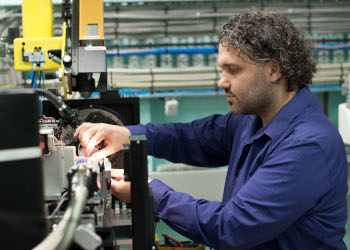
David Aragão is a Senior Beamline Scientist at the I04 beamline. He joined Diamond in 2019 from the Australian Synchrotron, Australian Nuclear Science and Technology Organisation where he spent the previous 5 years as a Beamline Scientist and prior 3 years as a Beamline Postdoctoral Associate. 

Email: [email protected]
Tel: +44 (0)12353 94055

Latest Publications

Brief Biography

A dual Australian-Portuguese citizen, Dr. David Aragão (b. 1976, Lisbon) is a biochemist whose training in organic chemistry (FCT-UNL, Portugal, 1994-2001) was complemented by early international research placements in structural biology at EMBL, Grenoble (1999) and the University of Georgia (2000). Following a period as a research assistant (2000-2001), he undertook a joint Ph.D. (2002-2007) co-located at the ESRF (France) and ITQB-UNL (Portugal). His doctoral supervisors were Carlos Frazão and Edward Mitchell, a position that connects him to the scientific lineage of Dame Louise Johnson. He relocated to Ireland for postdoctoral research with Prof. Martin Caffrey, first at the University of Limerick (2008) and later at Trinity College Dublin (2010) after securing a prestigious IEF Marie Curie Fellowship. This work on challenging membrane protein structures produced several key publications, including papers on a GPCR [1], caa3-type cytochrome oxidase [2], and the integral membrane diacylglycerol kinase [3]. The GPCR structure was part of a landmark Nature issue and contributed to the body of research that led to the 2012 Nobel Prize in Chemistry (awarded to Brian Kobilka). In 2011, Dr. Aragão moved to the Australian Synchrotron, initially as a postdoctoral fellow before his appointment as a Beamline Scientist in 2014. He joined Diamond Light Source in 2019, where he currently serves as the Senior Beamline Scientist for the I04 beamline. In 2024, he was named a Fellow of the British Crystallographic Association (BCA) in recognition of his contributions as a structural biologist and his service to the crystallographic community, which has included leadership roles (President, Vice-President, and Treasurer) in the Society of Crystallographers in Australia and New Zealand (SCANZ) and contributions to education and conference organisation.

References
[1] Rosenbaum, D.M., Zhang, C., Lyons, J.A., Holl, R., Aragao, D., Arlow, D.H., Rasmussen, S.G., Choi, H.J., Devree, B.T., Sunahara, R.K., Chae, P.S., Gellman, S.H., Dror, R.O., Shaw, D.E., Weis, W.I., Caffrey, M., Gmeiner, P. & Kobilka, B.K. (2011). Structure and function of an irreversible agonist-β(2) adrenoceptor complex. Nature 469, 236–240. DOI: 10.1038/nature09665

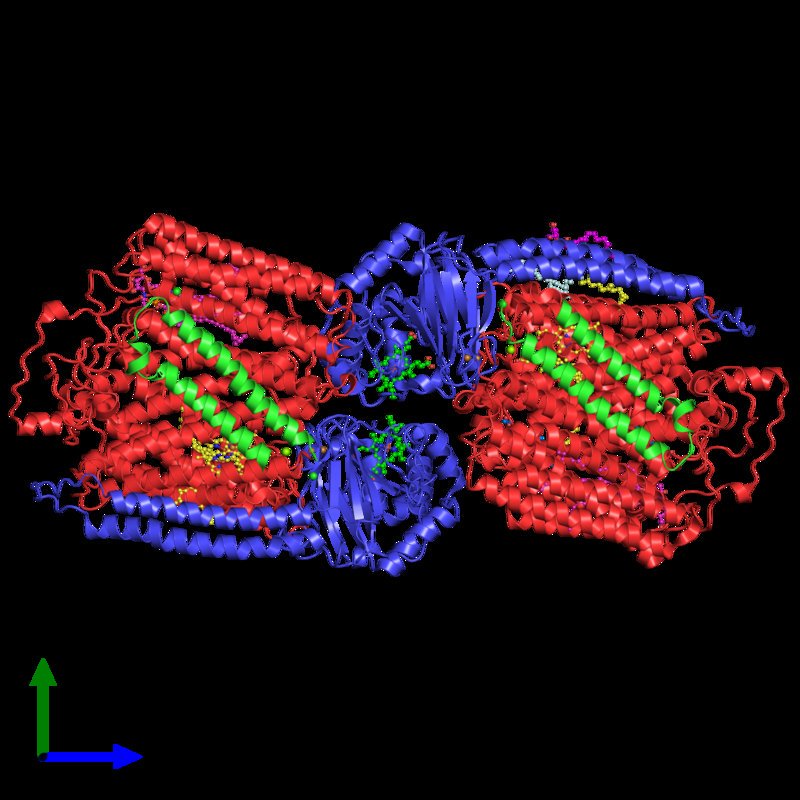
[2] Lyons, J.A., Aragão, D., Slattery, O., Pisliakov, A.V., Soulimane, T. & Caffrey, M. (2012). Structural insights into electron transfer in caa3-type cytochrome oxidase. Nature 487, 514–518. DOI: 10.1038/nature11182

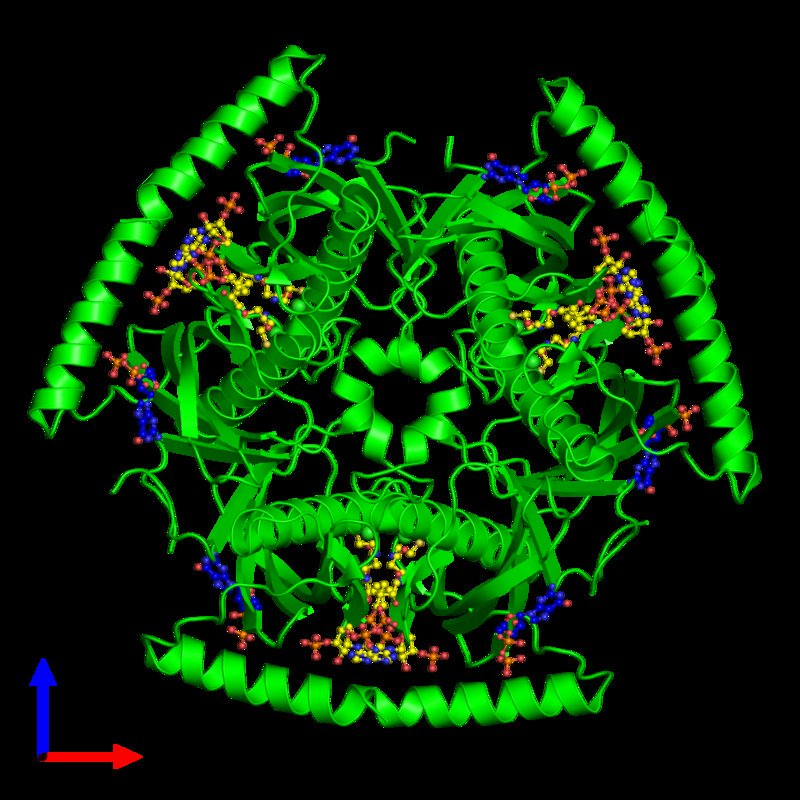
[3] Li, D., Lyons, J.A., Pye, V.E., Vogeley, L., Aragão, D., Kenyon, C.P., Shah, S.T., Doherty, C., Aherne, M. & Caffrey, M. (2013). Crystal structure of the integral membrane diacylglycerol kinase. Nature 497, 521–524. DOI: 10.1038/nature12179

Current interests

David Aragão

David is particularly interested in improving MX beamlines with automation without compromising on quality of the research developed. This includes better ways to collect data with modern day pixel array detectors, strategies to collect complete datasets of diffraction data from multiple wedges on the same or different crystals, working with the challenges presented by small and ultra small X-ray beams (e.g. beam stability, small sphere of confusion, etc) as well as improvements on how we reduce our raw data from these different experimental setups.

Another area that David is keen is user experience at an MX beamlines from local at the synchrotron to remote at their labs. Improvements on how to design our experiments, on how to present the GUIs for data collection and how we organize the post experiment data archivers (raw and metadata) so that we can make a better use on the next experiments. The amount of data generated on a modern synchrotron due to advances on beam flux, size and detectors can be often overwhelming. These requires some thinking outside of the box and not present or do things the same way over and over. 

5T025J092YEV4B61

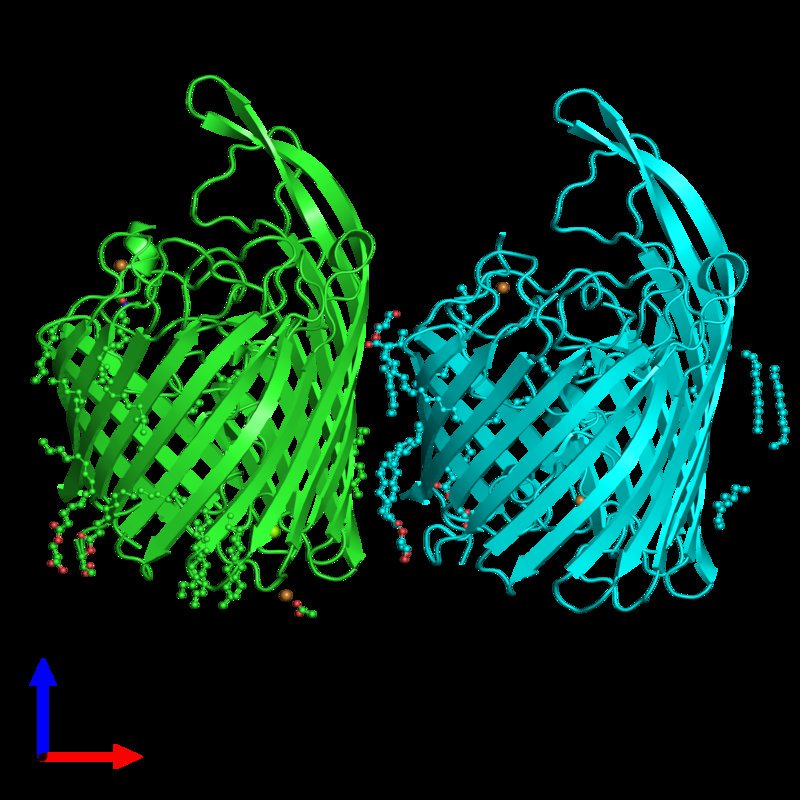
Finally, my structural biology research interests lie on the interfaces of cells and cell organelles: Understanding the biology how an important physiological agent is imported by a bacteria for survival, how energy is transduced to proton gradients across the biological membrane or how proton gradients are converted ATP, how viral capsids attach to cells or how viruses assemble inside their host cell, how cargo proteins import or export molecules into the nucleolus, mitochondria or Golgi apparatus is key to fundamental processes of medical research. 

Publications

 Updated publications on the sites below

Diamond Light Source

Diamond Light Source is the UK's national synchrotron science facility, located at the Harwell Science and Innovation Campus in Oxfordshire.

Diamond Light Source Ltd
Diamond House
Harwell Science & Innovation Campus
Didcot
Oxfordshire
OX11 0DE

See on Google Maps

Copyright © Diamond Light Source. Diamond Light Source® and the Diamond logo are registered trademarks of Diamond Light Source Ltd

Registered in England and Wales at Diamond House, Harwell Science and Innovation Campus, Didcot, Oxfordshire, OX11 0DE, United Kingdom. Company number: 4375679. VAT number: 287 461 957. Economic Operators Registration and Identification (EORI) number: GB287461957003.

feedback