-
news
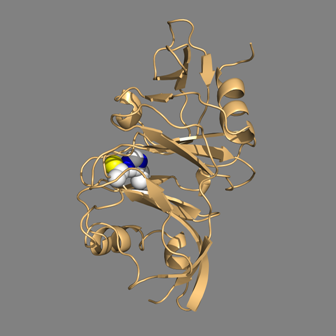
A key mechanism by which a bacterial pathogen causes the deadly tropical disease melioidosis has been discovered by an international team of scientists.
The findings are published today (11th November 2011) in the journal Science and show how a toxin produced by the bacterium Burkholderia pseudomallei kills cells by preventing protein synthesis. The study, led by the University of Sheffield, paves the way for the development of novel therapies to combat the bacterium which infects millions ...
-
highlight
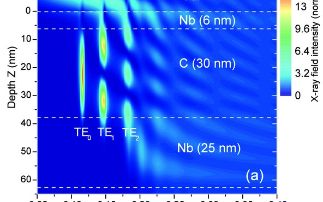
Thin multilayer structures comprising of thin layers of alternating elements or compounds find widespread technological applications – be it the anti-reflection coating in the visible range or the waveguide structures for X-rays. In the X-ray regime they are also used in many technological applications such as X-ray astronomy, microscopy, spectroscopy, and as filters and monochromators for synchrotron radiation and free electron X-ray lasers. It is important to correlate the measured optical ...
-
highlight
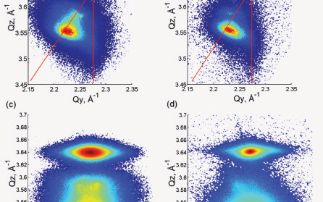
With the phase-out of incandescent light bulbs becoming more common around the world, there is a need to investigate more efficient and robust alternatives. Thanks to their low energy consumption, prolonged lifetime, small size and reliability, Light-emitting diodes (LEDs) are seen as an attractive option. But they are not quite ready to take over from the light bulb yet. A bright white LED powerful enough to light up a room is currently very expensive. Research is underway to make white ...
-
highlight
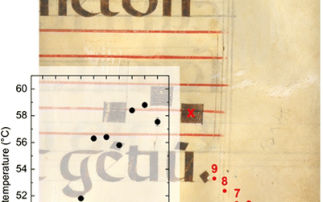
Parchment has been used for recording historical information since at least the 2nd century BC and makes an important contribution to our nation’s cultural heritage. Parchments are routinely assessed for degradation, but techniques with higher spatial resolution are needed to assess what is happening on the microscopic/nanoscopic scale. A group of scientists from Slovenia, Germany and the UK have been using I22, Diamond’s Small Angle Scattering and Diffraction beamline along with infrared ...
-
highlight
Nanoparticles have been incorporated in many consumer products, however their safety and toxicity have not been clearly identified. This is made worse by difficulty in measuring how biological systems interact with nanoparticles.
-
highlight
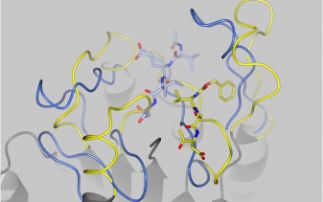
Huntington’s disease (HD) is a dominantly-inherited neuropsychiatric disorder. Typically the symptoms begin in adulthood, slowly progressing from movement disorder to behavioural and cognitive disturbances, often manifested in depression and dementia. It has been known since 1993 that the disease is due to mutation of a single gene coding for huntingtin (HTT) that extends the poly-glutamine (poly-Q) repeats in the protein. Aggregation of poly-Q repeat fragments is considered to be the ...
-
news

Oxfordshire residents are invited to take part in Diamond’s short story writing competition. Light Reading calls for participants to write a story up to 3,000 words, in any genre, inspired in some way by the science facility. Today saw the announcement of the winner of the staff pilot competition, which proved to be a great success.
-
highlight
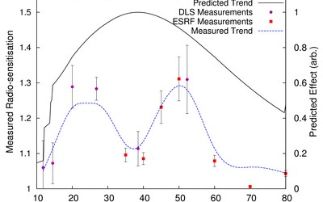
During the course of their treatment, around half of cancer patients receive some type of radiation therapy. This therapy is widely used to target tumours and modern techniques aim to avoid dose to healthy tissue as much as possible. However, toxicity developing within healthy tissue is still a problem and, as a result, scientists are looking for new techniques that can make cancer cells more sensitive to radiation.
-
news
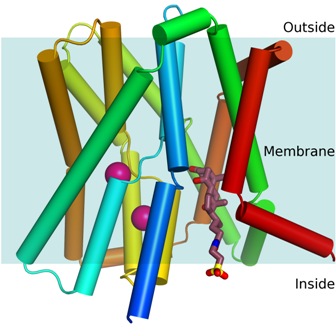
Scientists from Imperial College London and Diamond Light Source have revealed the structure of a cholesterol-lowering-drug target.
-
highlight
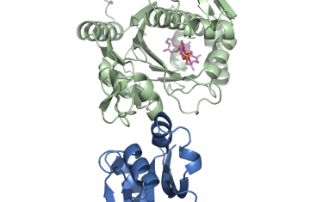
Bacteria are single-celled organisms that inhabit almost every environment on the planet, including the bodies of humans and animals. The cell wall maintains the structural integrity of the cell, and enables the bacteria to survive in its chosen environment. In disease-causing bacteria (pathogens) it also plays a role in the progression of the disease. A group of scientists from Newcastle University and the Nara Institute of Science and Technology in Japan have used Diamond to identify a ...
-
news
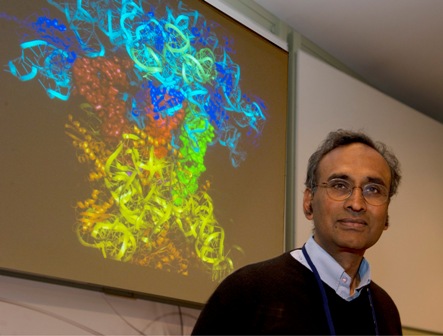
Nobel Prize winner Venki Ramakrishnan was among more than 200 scientists from across the UK who gathered at Diamond this week for the Synchrotron User Meeting 2011.
-
news
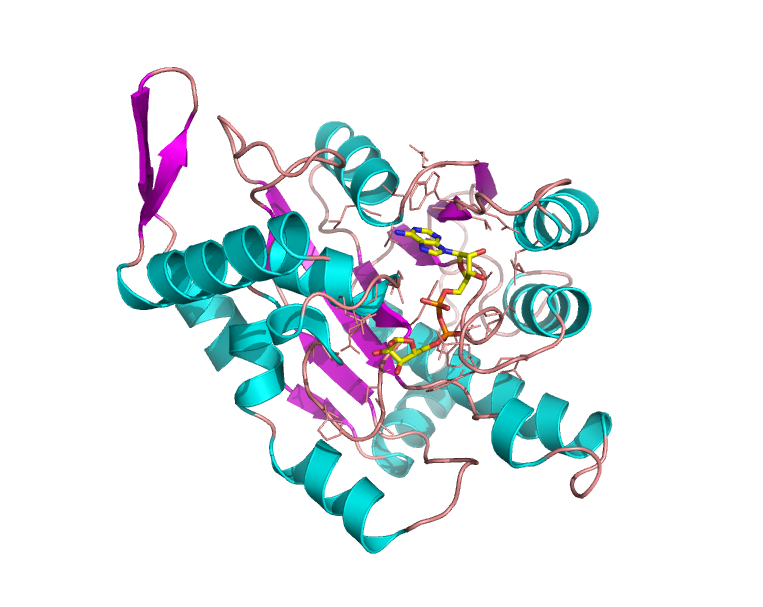
Scientists have succeeded in purifying a protein found in bacteria that could reveal new drug targets for inherited breast and ovarian cancers as well as other cancers linked to DNA repair faults. They used Diamond Light Source to solve the structure of the protein.
-
news
We are delighted to announce the launch of the Diamond Young Investigator Award 2011. Open to all PhD students or post-doctoral early career researchers who have used Diamond Light Source within the last 12 months (September 2010-11).
-
news
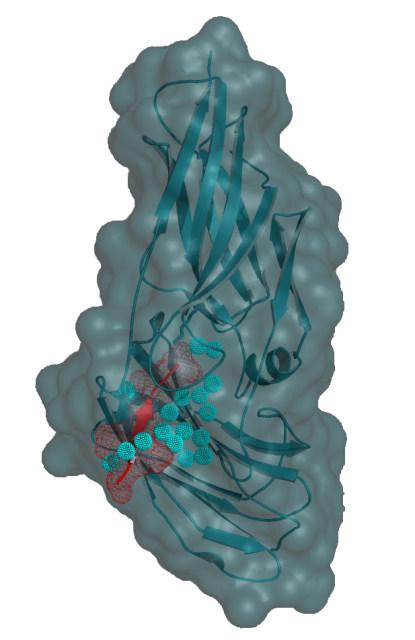
Researchers are a step closer towards creating a new class of medicines and vaccines to combat drug-resistant and deadly strains of fungal infections, following a new study published this week in Proceedings of the National Academy of Sciences.
-
news
Diamond is inviting the public to let their imaginations run away with them around the 562m particle accelerator and write a short story for a new national fiction competition, Light Reading.
-
highlight
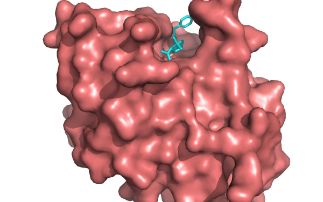
A breakthrough in the fight against drug-resistant infections is one step closer following the discovery of the structure of NDM-1: a vicious form of bacteria that is currently resistant to the most powerful antibiotics available. The structure was determined by crystallography carried out at Diamond Light Source.
-
news
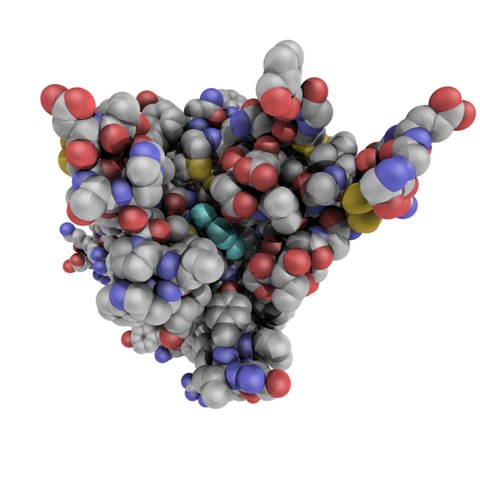
Scientists from Heptares Therapeutics have used Diamond Light Source, the UK’s national synchrotron facility, to understand the structure of a protein involved in Parkinson’s disease and other neurological disorders.
-
news
Hundreds of scientists use Diamond every year to carry out structural biology experiments, furthering our knowledge of the body and diseases, and paving the way for new drug treatments.
-
highlight
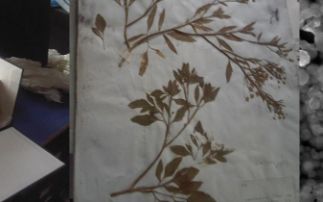
The University of Manchester museum herbarium was founded in 1860 and contains over a million specimens from all over the world, with collections spanning hundreds of years. The challenge of how to preserve botanical specimens is centuries old, and a wide range of techniques have been used to prevent decay by bacteria, fungi, insects and rodents. The effectiveness of the treatments is demonstrated in the excellent preservation of many museum specimens, but could the pesticides used present a ...
-
highlight
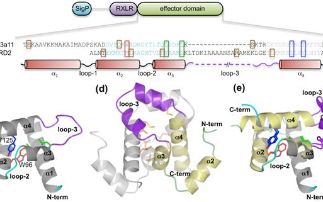
Fungus-like eukaryotic plant pathogens of the genus Phytophthora are devastating to root crops and vegetables because the effector proteins they produce can evolve rapidly to evade recognition by the host’s immune system.
Until now the molecular mechanisms underlying this evolutionary arms race have been poorly understood. New research by a team from the BBSRC’s John Innes Centre, Sainsbury Laboratory and the University of East Anglia, have used Diamond’s MX beamlines to shed light on the ...