-
news
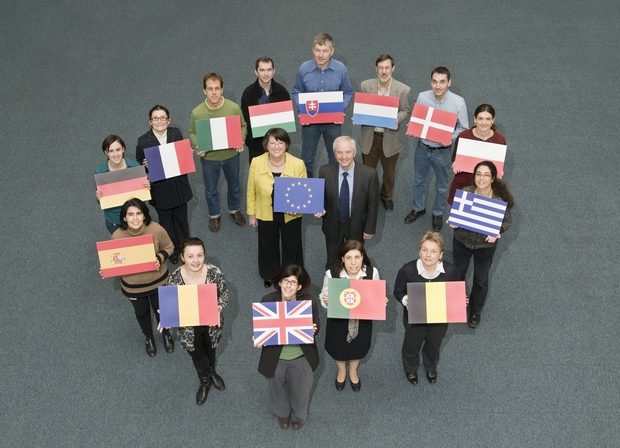
Scientists from across the European Union are calling Oxfordshire home thanks to the pull of Diamond Light Source.
The UK’s national synchrotron science facility is based at Harwell and, while the majority of staff are from the UK, it employs scientists from around the world, including workers from more than half the EU member states.
-
news
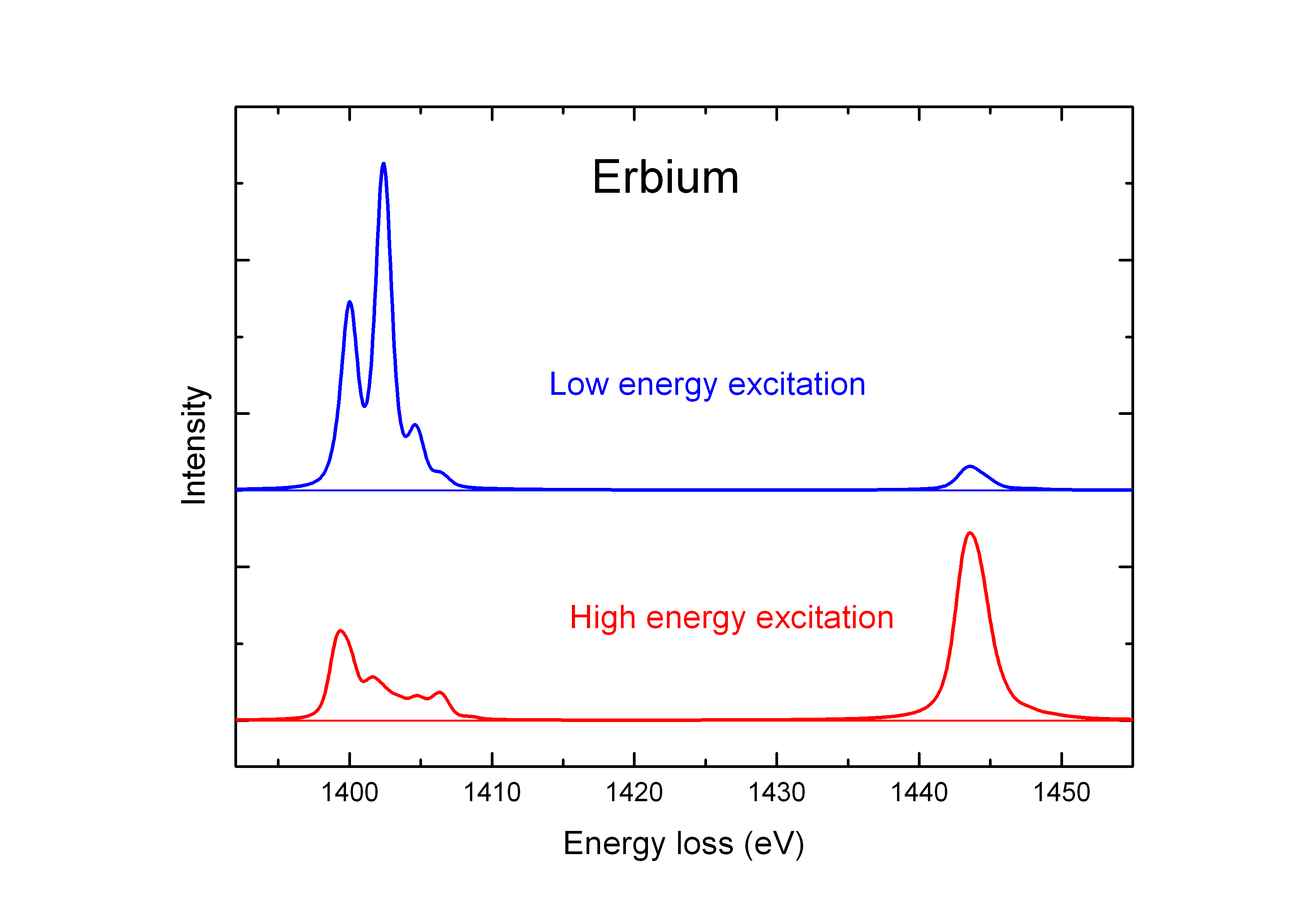
A new theory developed by Prof Gerrit van der Laan, from the Science & Technology Facilities Council (STFC) and Diamond Light Source, and published this week in the journal Physical Review Letters, provides a powerful sum rule that scientists can use to explore the properties of novel materials, such as those used for spintronics devices. Such materials require constant refinement of their physical qualities in order to keep up with the rapid advancement in a wide range of technologies, ...
-
highlight
G-protein-coupled receptors (GPCRs) are the single most important drug target in the body because they are central to so many biological processes. Gaining a better understanding of how GPCRs operate will help scientists develop novel strategies to modulate their activity, potentially affecting their role in diseases such as Parkinson’s or conditions such as insomnia.
-
news
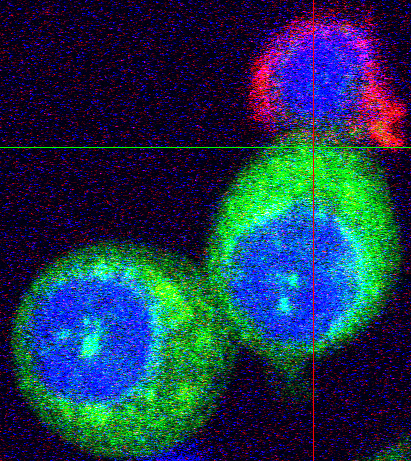
Killer T-cells in the human body which help protect us from disease can inadvertently destroy cells that produce insulin, new research has uncovered.
The study, which is based on experimental data collected at Diamond Light Source in Oxfordshire, provides the first evidence of this mechanism in action and could offer new understanding of the cause of Type 1 diabetes.
-
highlight
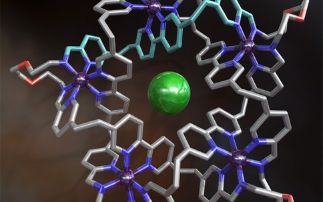
Diamond Light Source has recently played a key role in helping to reveal the exact structure of the most complex non-DNA molecular knot prepared to date.
-
news
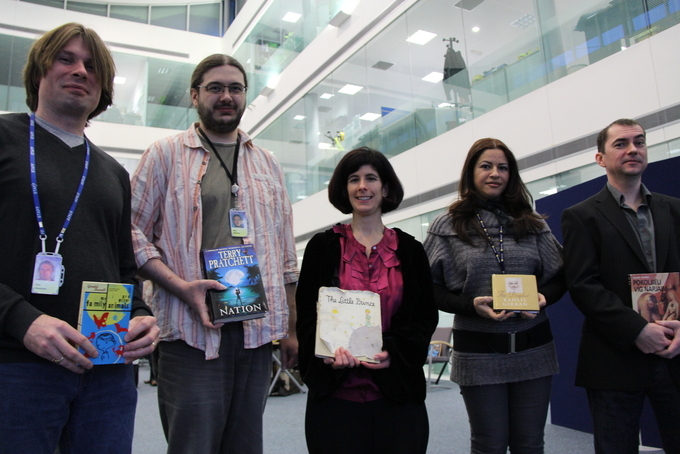
Diamond Light Source is inviting the public to vote for their favourite Flash Fiction short story, as part of its Light Reading story writing competition.
Supporting Oxford’s bid to be UNESCO World Book Capital 2014, Diamond has been encouraging the nation to get creative and write short stories inspired by the synchrotron’s science output and the facility itself.
-
highlight
Ice cores drilled from the frozen Antarctic landscape are made up of layer upon layer of frozen snow, dating back hundreds of thousands of years. Trapped within the ice are minute dust particles which can yield valuable information on temperature, precipitation, atmospheric composition and volcanic activity, frozen at the time of the snowfall. A group of Italian scientists have been using one of Diamond’s spectroscopy beamlines, B18, and the Stanford Synchrotron Radiation Lightsource to ...
-
news
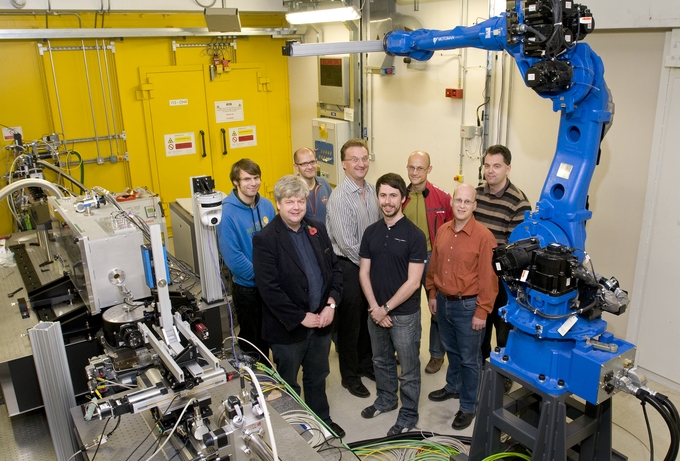
Diamond’s X-ray Imaging and Coherence beamline has welcomed its first users. Researchers from the Universities of Manchester and Sheffield worked with the beamline team to develop techniques on the coherence branch of I13.
Professor John Rodenburg from the University of Sheffield, one of the lead researchers on the project, said, “We were using a variety of samples as a means to test the beamline’s capabilities.
-
highlight
.jpg)
Artificial heart valves have been used since the 1960s to replace natural heart valves damaged through disease. Each of four valves enables unimpeded blood flow through the heart itself and from the heart to the major arteries. As the heart beats the valve opens and closes, subjecting it to pressure loading and unloading. Artificial heart valves must be able to withstand repeated cycles of tensile loading and unloading in realistic conditions. Scientists from the University of Cambridge and ...
-
news
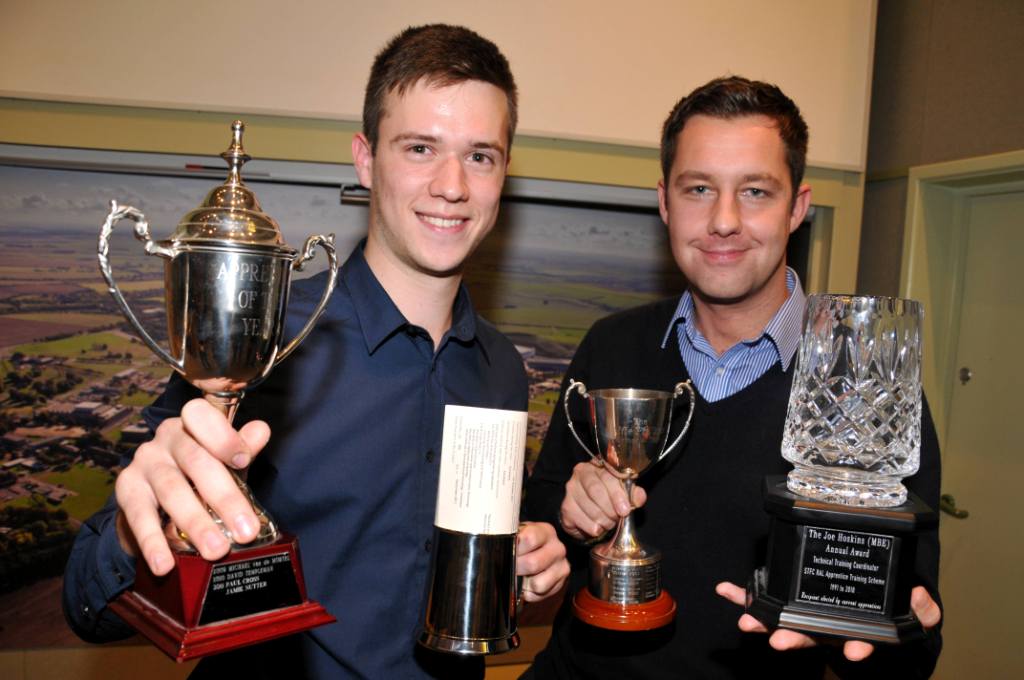
Diamond Light Source and the Science and Technology Facilities Council (STFC) are arming the engineers of tomorrow with the vital skills and experience needed to succeed in the UK job market, as youth unemployment figures hit 1,000,000.
Run by STFC with a third of support from Diamond Light Source, the Advanced Engineering Apprenticeship scheme at STFC’s Rutherford Appleton Laboratory (RAL) has been running for 19 years and is one of the best apprenticeship schemes in the country.