-
highlight
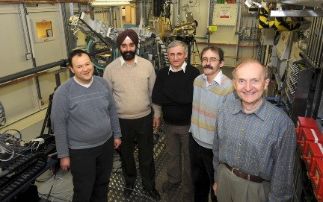
Diamond Light Source, the UK's world-class synchrotron facility, has welcomed the first users to its new Test beamline. Researchers from Royal Holloway, University of London, have used the Diamond synchrotron to take a closer look at industrial diamonds as a means to test their latest collimator technology.
-
news
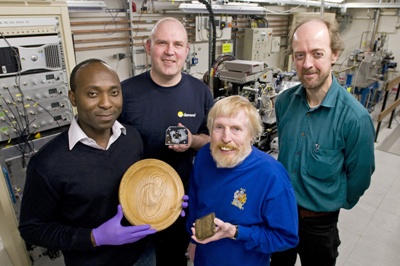
Scientists from the Mary Rose Trust are using cutting edge synchrotron technology at Diamond Light Source to provide 21st century solutions to enhance the conservation of Henry VIII’s Tudor warship.
-
highlight
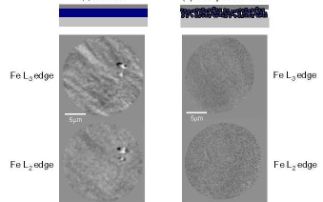
Thin films produced by depositing pre-formed size-selected gas-phase nanoparticles are an important class of materials, particularly because of their application in magnetic memory. A team led by Chris Binns at the University of Leicester worked with the team on the Nanoscience beamline to study the magnetic properties of Fe thin films produced by this technique and compared them to Fe thin films produced by conventional techniques. Their results have been published in the Journal of ...
-
highlight
Tuberculosis is a major cause of death worldwide, killing over 1.5 million people each year. Understanding how the bacterium Mycobacterium tuberculosis causes disease in humans and how it survives in the body could provide the key to combating this killer disease. Scientists from the Universities of Oxford and British Columbia have used Diamond to determine the structure of a protein called HsaD, which enables the tuberculosis bacteria to survive in the human body. Knowing the structure of ...
-
news
Tuberculosis is a major cause of death worldwide, killing over 1.5 million people each year. Understanding how the bacterium Mycobacterium tuberculosis causes disease in humans and how it survives in the body could provide the key to combating this killer disease. Scientists from the Universities of Oxford and British Columbia have used Diamond to determine the structure of a protein called HsaD, which enables the tuberculosis bacteria to survive in the human body.
-
news
Following recent factually inaccurate media reports, we would like to provide clarification regarding expenditure relating to Diamond’s construction and operational budgets.
Diamond’s Phase I construction concluded at the end of December 2006 and was delivered within the approved budget of £263.2m including contingency.
-
news
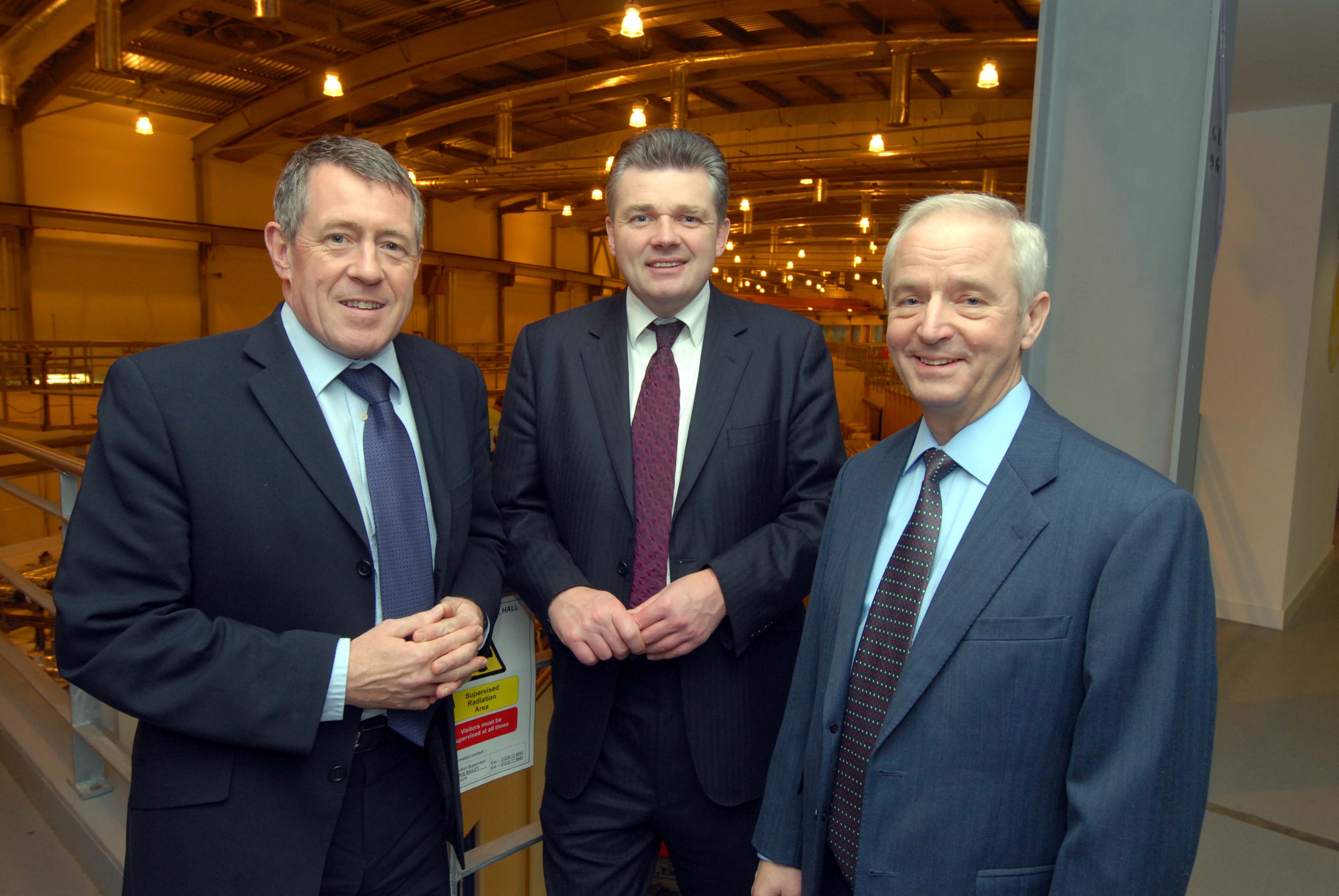
The The Rt. Hon, John Denham (Secretary of State for Innovation, Universities and Skills) and Mr Ian Pearson (Minister for Science and Innovation) visited the UK's new synchrotron facility as part of a visit to the Harwell Science and Innovation Campus, where Diamond Light Source is part of the growing research community.
-
news
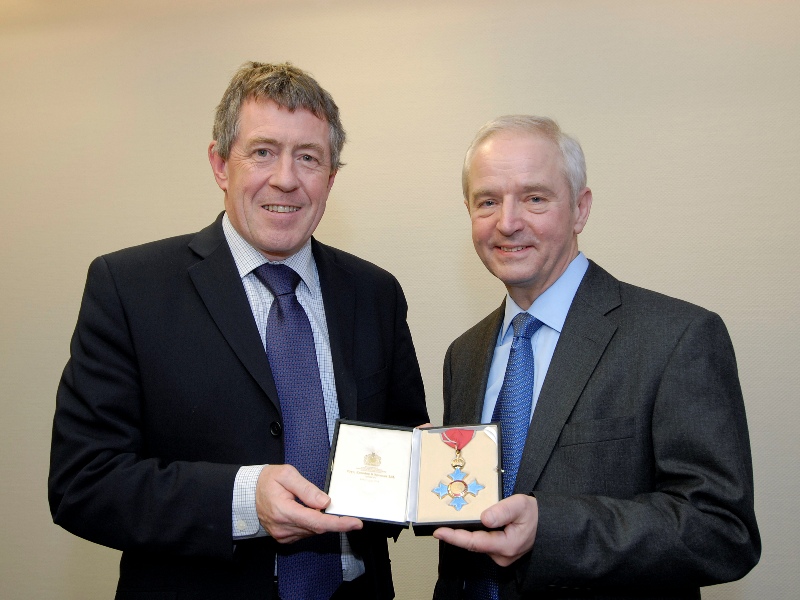
John Denham, Secretary of State for Innovation, Universities and Skills, will today present an honorary CBE to Professor Gerhard Materlik, Chief Executive of Diamond Light Source Ltd for services to science.
-
highlight
Nerves and blood vessels grow to the right places because they receive instructions to keep them on the correct path. These instructions come from pairs of molecules: receptors and ligands on the surface of different cells. When a matched pair makes contact in a specific ‘handshake’ it directs the cell carrying the receptor right or left, just like SatNav. If we understand what different handshakes look like, we can design drugs that to strengthen them – to help nerve regeneration, or stop ...
-
highlight
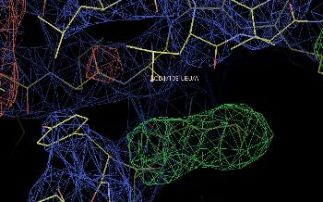
Aurora-A is an essential enzyme which is required for human cells to multiply. Aurora-A has higher activity than normal in many human cancers and is a target for the development of anti-cancer drugs, some of which are in clinical trials. X-ray crystallography is used to characterise how these small molecules interact with Aurora-A, and these data provide information on how they work and allow the production of a new generation of more potent inhibitors.