-
highlight
Combinatorial high-throughput screening at Diamond may prove useful in discovering novel bulk hydrogen storage materials, according to new research published this month in the Royal Society of Chemistry’s Faraday Discussions journal.
A team of researchers from the ‘HyStorM’ project, a collaboration between Oxford University, Johnson Matthey, Ilika Technologies and the ISIS facility, funded by the Technology Strategy Board, used innovative high-resolution Powder X-Ray Diffraction (XRD) ...
-
news

Professor Gerhard (Gerd) Materlik, Chief Executive of Diamond Light Source, has been elected a Fellow of the Royal Society (FRS).
-
news
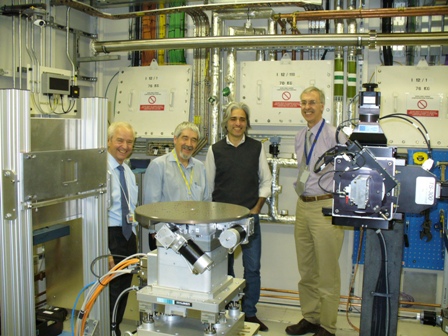
Prof David Delpy, Chief Executive of the Engineering and Physical Sciences Research Council (EPSRC), has praised Diamond's facilities and given support for Phase III investment.
-
news
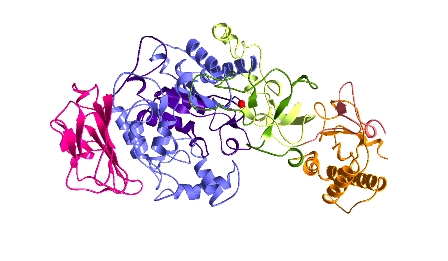
Scientists using Diamond Light Source have made a breakthrough in the battle against tooth decay, with research published in the leading Journal of Molecular Biology (JMB) on 29 April 2011.
-
news
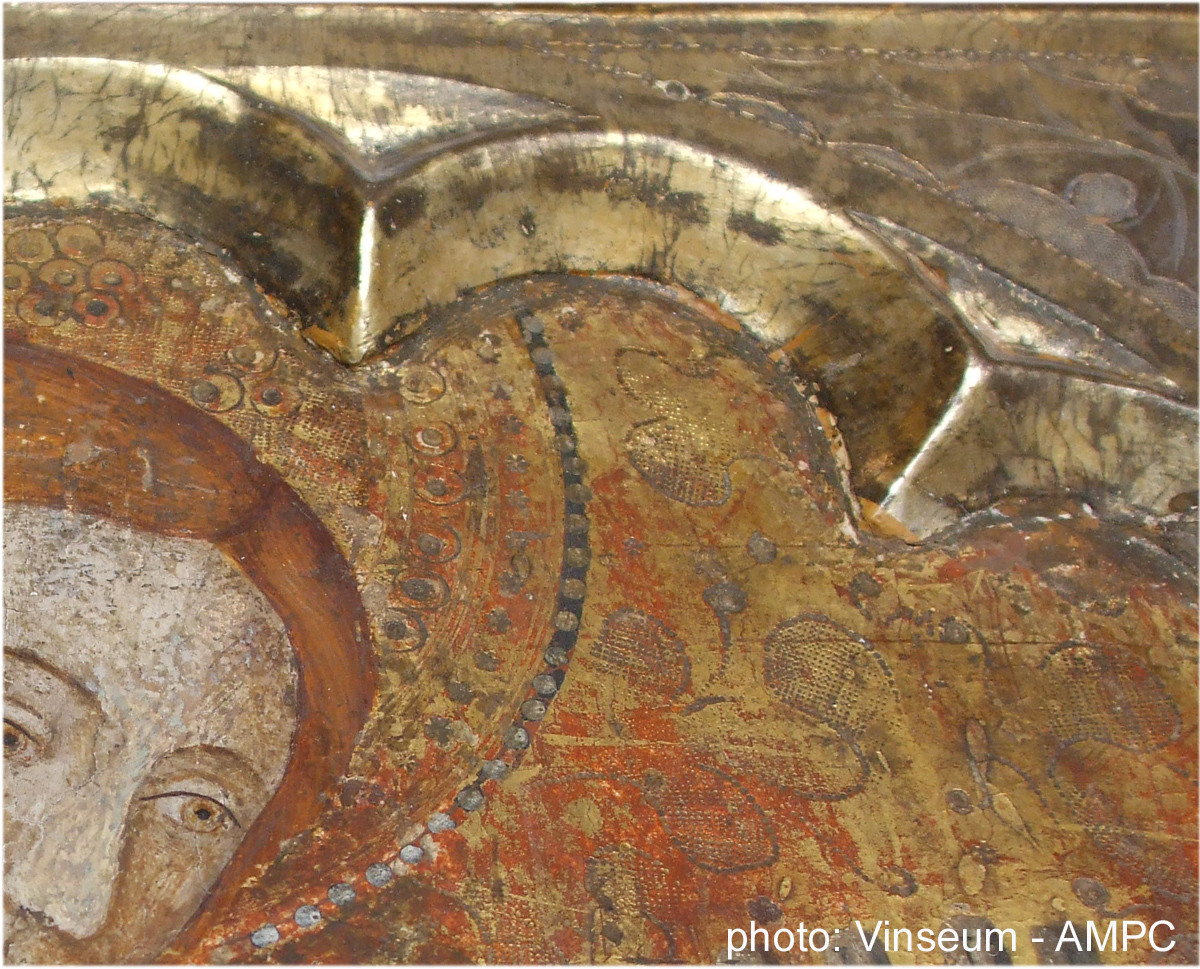
Scientists from the Technical University of Catalonia in Barcelona have teamed up with Diamond Light Source to use a brilliant infrared microbeam to understand at the microscopic scale molecular processes affecting the decay or preservation of polychrome carved wood adorning churches and altarpieces depicting saints.
-
news
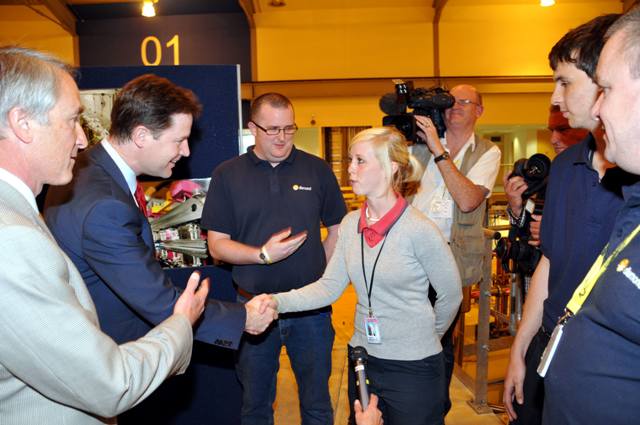
During a visit to Oxfordshire on Tuesday 19th April, Nick Clegg MP, Deputy Prime Minister, toured Diamond, the UK’s national synchrotron science facility.
-
news

A-level students from across the country were able to see science on a grand scale during visits to Diamond on 16th-18th March. They joined nearly 6,000 other students from 23 countries across the world taking part in annual Particle Physics Masterclasses this month.
-
news
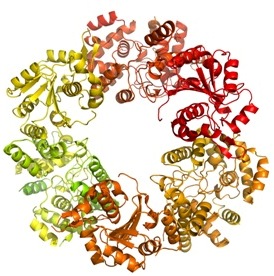
In 1962 the Nobel Prize in Chemistry was jointly awarded to Max Perutz and John Kendrew for determining the structures of two proteins, haemoglobin and myoglobin using a technique called X-ray diffraction.
-
highlight
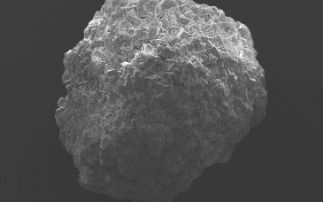
Scientists from Diamond Light Source, the Universities of Reading, Glasgow and the Natural History Museum in London have used the Diamond synchrotron to help determine whether worms can play a part in soil remediation. Their latest findings were published online in the journal Geochimica et Cosmochimica Acta.
-
news

David Willetts MP, Minister for Universities and Science, met scientists, engineers and industrial partners at Diamond Light Source, the UK’s national synchrotron facility, and formally inaugurated Diamond’s Phase III development, as part of his visit to Harwell Science and Innovation Campus in Oxfordshire on Monday 14th March.