2020
Feb 27, 2020
Explore more of our Diamond literature reviews:
Feb 27, 2020
Diamond has been at the forefront of global research into antibiotics and antibiotic resistance over the past decade. Relatively few new antibiotics were developed in the late 20th Century as the expectation in the scientific and pharmaceutical community was that existing drug classes would be sufficient in controlling bacterial infections. However, overuse has led to the development of significant bacterial resistance so we are now in a challenging time where some bacterial infections are becoming untreatable with traditional antibiotics and only limited new options have become available.
Over 80 papers have been published in the last seven years looking at aspects of antibiotic research - explore some of the significant breakthroughs in recent years with research taking place at Diamond!
One track that antibiotics researchers take to combat the problems caused by resistance is to explore developing new drugs and targets that could replace or supplement current antibiotics, something that Diamond facilities like eBIC are well set up for!
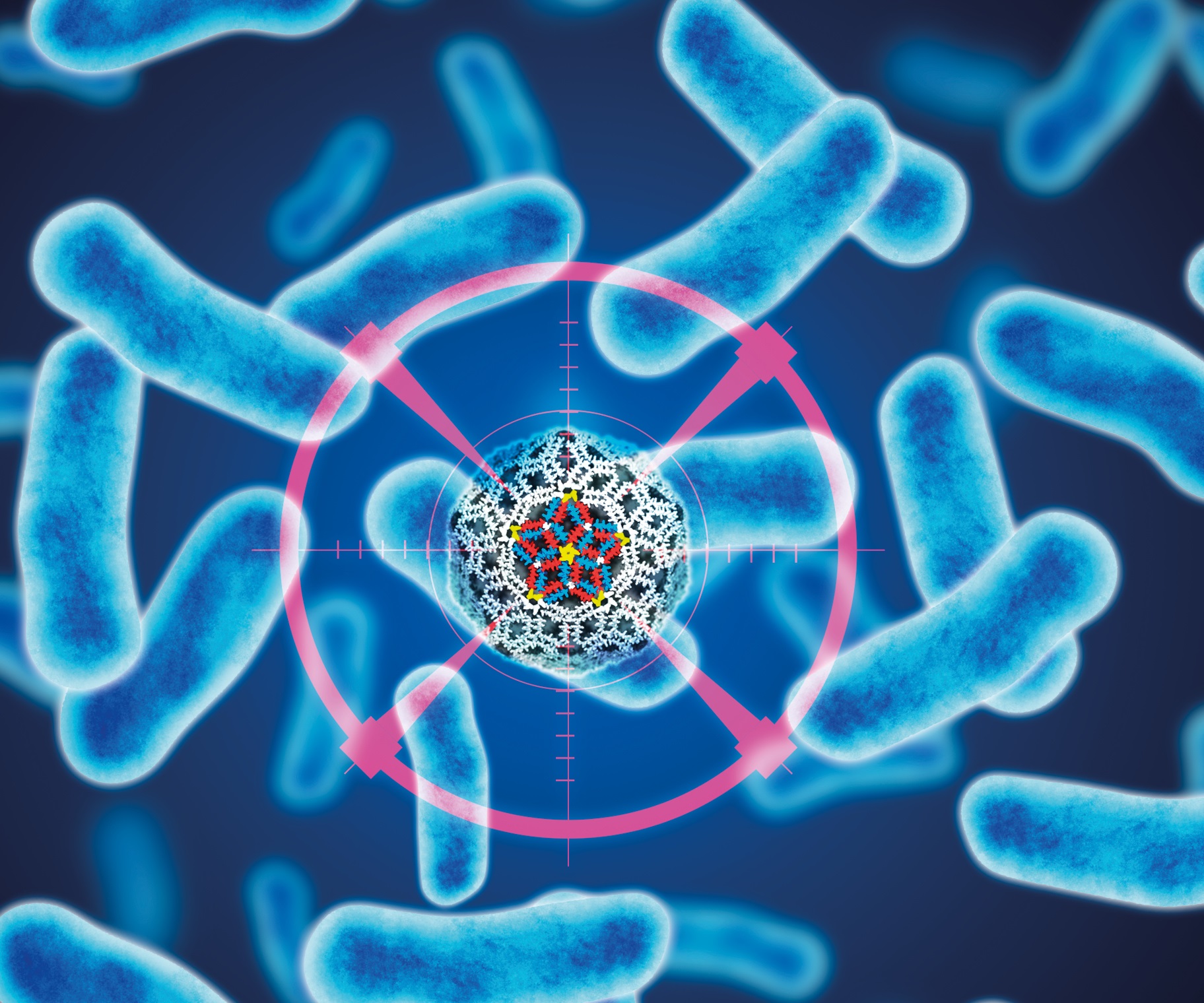
This research - from our B23 beamline - investigated the design of artificial viruses that target bacterial membranes. These peptide ‘bullets’ have potential as new antibiotics. In contrast to a traditional antibiotic, which must reach a single target in a bacterial cell, the artificial viruses tackle a bacterial cell as a whole, starting with the disruption of its most vulnerable part, the cell membrane. This mechanism of action means that bacteria may be less likely to become resistant, leading to potentially more effective antimicrobial treatments.
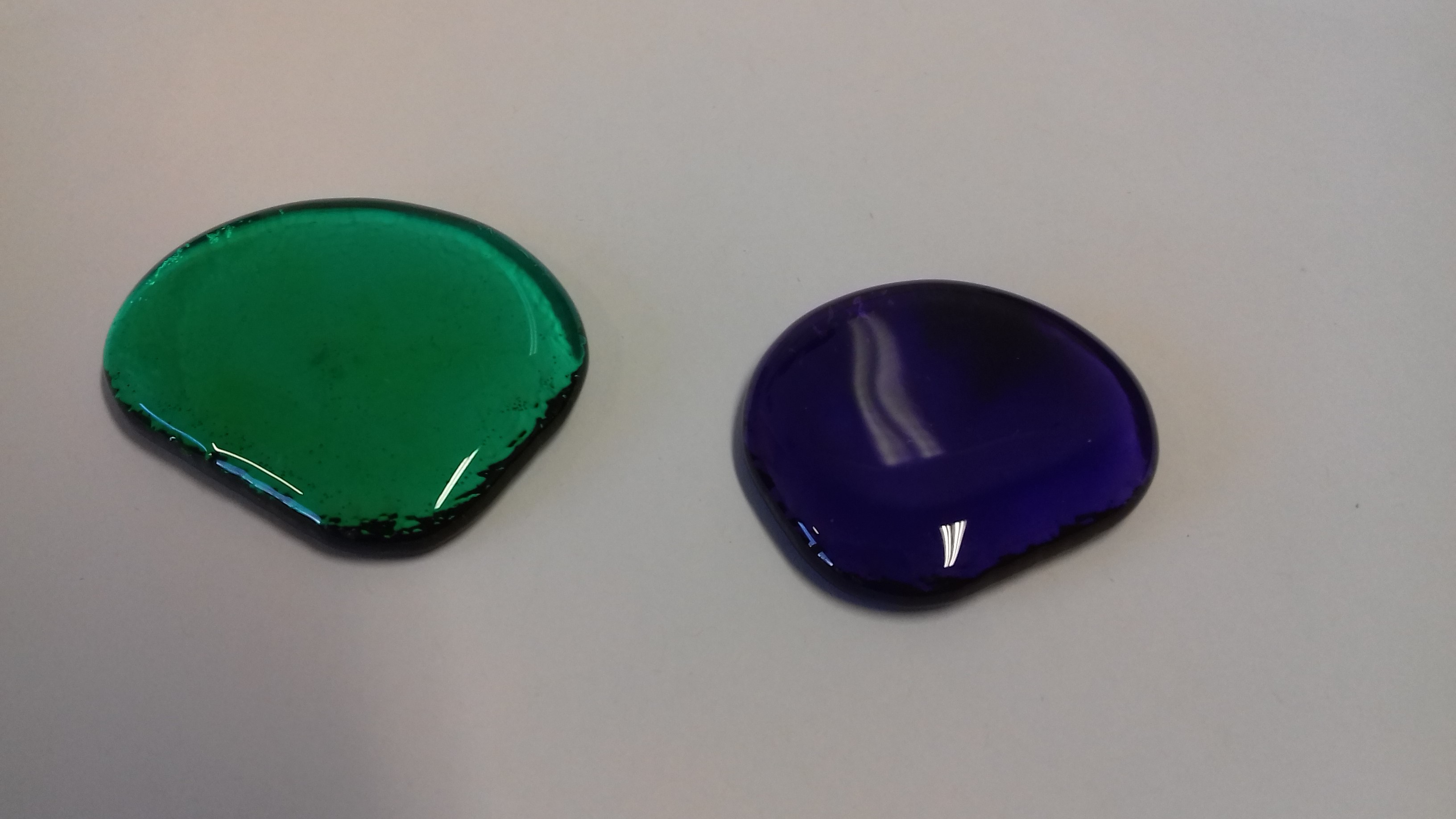
An out-of-the-box approach can sometimes lead to fantastic discoveries. This team from Aston University in Birmingham looked at applying modern science to the ancient technique of stained glass in the fight against antibiotic resistance. Bacteria can produce biofilms or colonies on surfaces, which is a particular problem for medical supplies or implants. By finding a method to create bioactive glass - which has certain antimicrobial properties - which can be used in these devices, could help prevent these biofilms from forming and reduce the use of antibiotics.
By understanding more about how bacteria work, scientists are able to find new ways of outsmarting their defences. This research, which used several of Diamond's Macromolecular Crystallography beamlines, investigated tiny bacterial harpoons.
This has potential applications in infection control where the harpoons could be targeted by new drugs to disable bacteria that employ them when causing infections. There are also applications in drug delivery where the harpoons may be used to inject peptide and protein drugs into specific target cells. On a more fundamental level, simply understanding how such a small and complex moving machine can be constructed and how it functions could one day help us to build our own.
Explore more about antibiotics research at Diamond in our latest Literature Review, or check out our Science Highlights to see more world-changing science.

Diamond Light Source is the UK's national synchrotron science facility, located at the Harwell Science and Innovation Campus in Oxfordshire.
Diamond Light Source Ltd
Diamond House
Harwell Science & Innovation Campus
Didcot
Oxfordshire
OX11 0DE
Copyright © Diamond Light Source. Diamond Light Source® and the Diamond logo are registered trademarks of Diamond Light Source Ltd
Registered in England and Wales at Diamond House, Harwell Science and Innovation Campus, Didcot, Oxfordshire, OX11 0DE, United Kingdom. Company number: 4375679. VAT number: 287 461 957. Economic Operators Registration and Identification (EORI) number: GB287461957003.