-
news
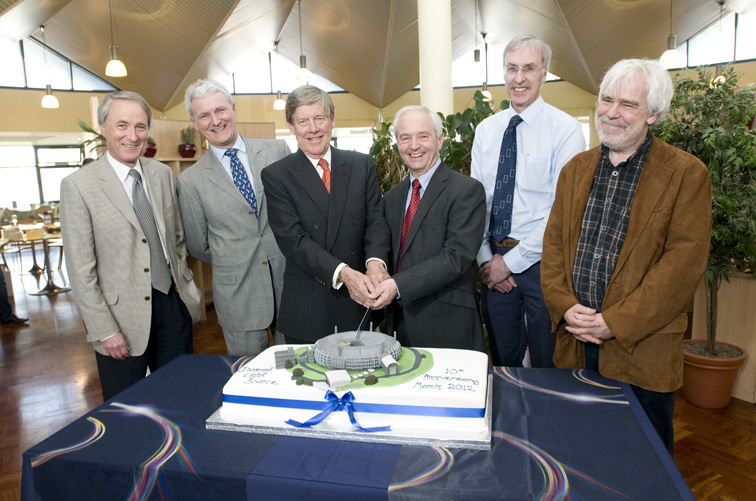
Diamond, the UK’s national synchrotron science facility and one of Oxfordshire’s flagship science institutes, was formed a decade ago, on the 27th March 2002, when the Wellcome Trust and the UK Government signed the Joint Venture Agreement and Diamond Light Source Ltd was born.
-
news

A doughnut-shaped scientific building in the Oxfordshire countryside provided the unusual inspiration for a new international science fiction prize as the names of the winners are revealed this week by its organisers Diamond Light Source, the UK’s national synchrotron facility.
-
news
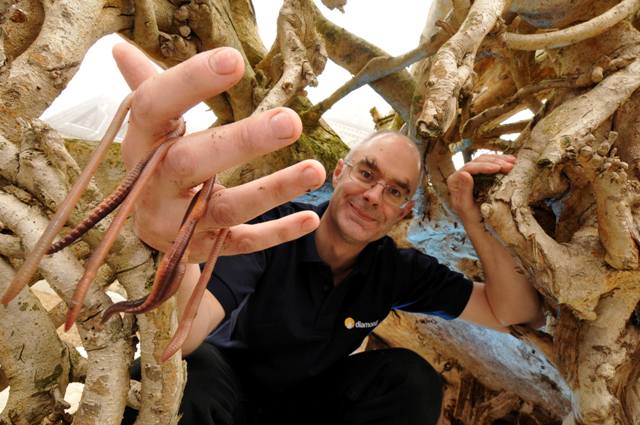
Diamond Light Source, the UK’s national synchrotron science facility and one of Oxfordshire’s flagship science institutes, is celebrating its 10th Anniversary in 2012. A special programme of events are planned to mark this milestone and a number of them took place as part of the 2012 Oxfordshire Science Festival, which ran from the 3rd-18th March.
-
news

Scientists from across the European Union are calling Oxfordshire home thanks to the pull of Diamond Light Source.
The UK’s national synchrotron science facility is based at Harwell and, while the majority of staff are from the UK, it employs scientists from around the world, including workers from more than half the EU member states.
-
news
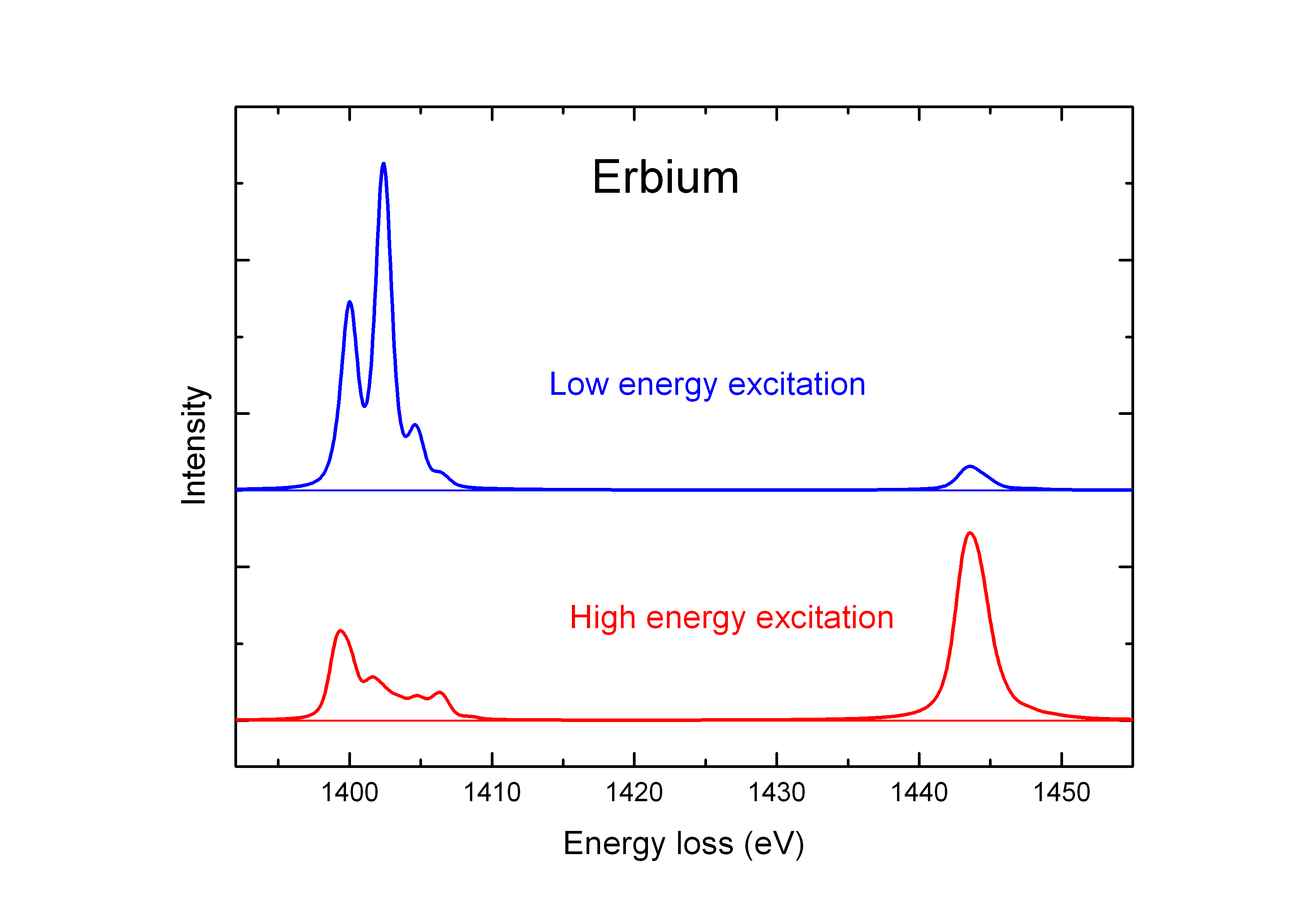
A new theory developed by Prof Gerrit van der Laan, from the Science & Technology Facilities Council (STFC) and Diamond Light Source, and published this week in the journal Physical Review Letters, provides a powerful sum rule that scientists can use to explore the properties of novel materials, such as those used for spintronics devices. Such materials require constant refinement of their physical qualities in order to keep up with the rapid advancement in a wide range of technologies, ...
-
news
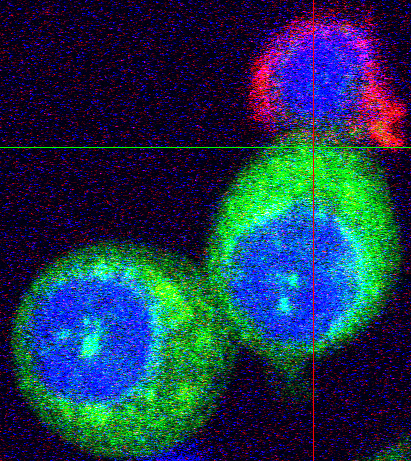
Killer T-cells in the human body which help protect us from disease can inadvertently destroy cells that produce insulin, new research has uncovered.
The study, which is based on experimental data collected at Diamond Light Source in Oxfordshire, provides the first evidence of this mechanism in action and could offer new understanding of the cause of Type 1 diabetes.
-
news
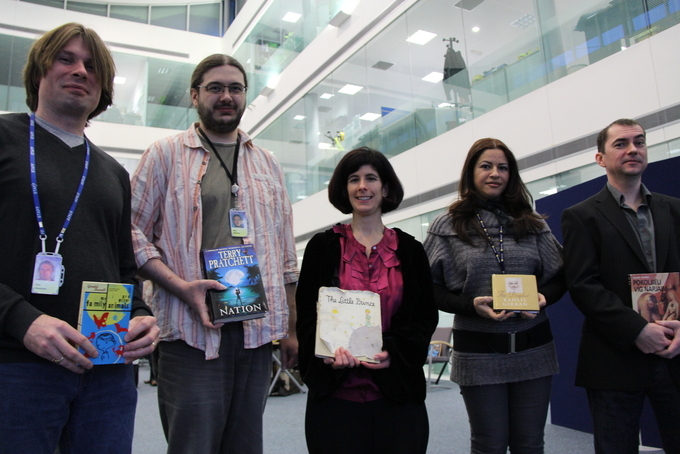
Diamond Light Source is inviting the public to vote for their favourite Flash Fiction short story, as part of its Light Reading story writing competition.
Supporting Oxford’s bid to be UNESCO World Book Capital 2014, Diamond has been encouraging the nation to get creative and write short stories inspired by the synchrotron’s science output and the facility itself.
-
news
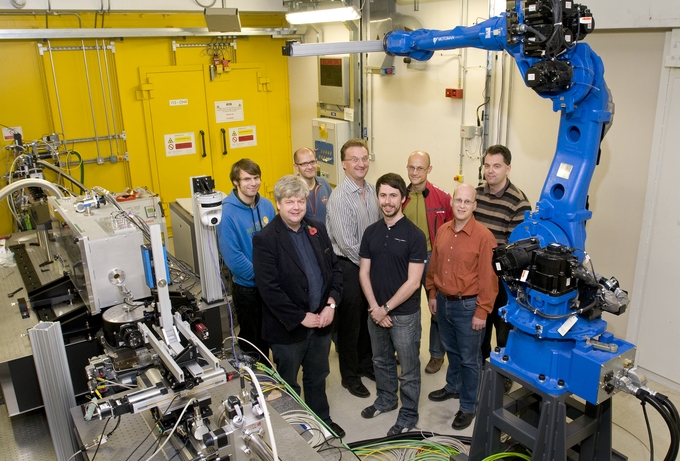
Diamond’s X-ray Imaging and Coherence beamline has welcomed its first users. Researchers from the Universities of Manchester and Sheffield worked with the beamline team to develop techniques on the coherence branch of I13.
Professor John Rodenburg from the University of Sheffield, one of the lead researchers on the project, said, “We were using a variety of samples as a means to test the beamline’s capabilities.
-
news
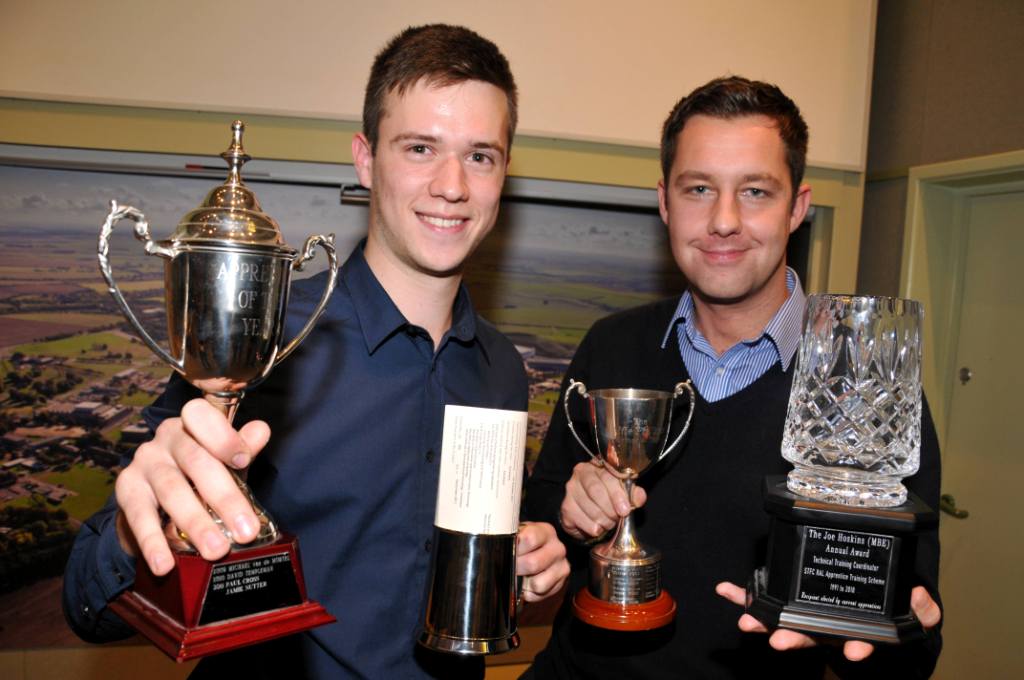
Diamond Light Source and the Science and Technology Facilities Council (STFC) are arming the engineers of tomorrow with the vital skills and experience needed to succeed in the UK job market, as youth unemployment figures hit 1,000,000.
Run by STFC with a third of support from Diamond Light Source, the Advanced Engineering Apprenticeship scheme at STFC’s Rutherford Appleton Laboratory (RAL) has been running for 19 years and is one of the best apprenticeship schemes in the country.
-
news
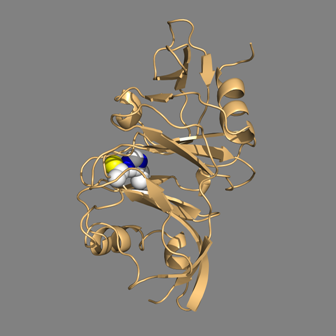
A key mechanism by which a bacterial pathogen causes the deadly tropical disease melioidosis has been discovered by an international team of scientists.
The findings are published today (11th November 2011) in the journal Science and show how a toxin produced by the bacterium Burkholderia pseudomallei kills cells by preventing protein synthesis. The study, led by the University of Sheffield, paves the way for the development of novel therapies to combat the bacterium which infects millions ...
-
news
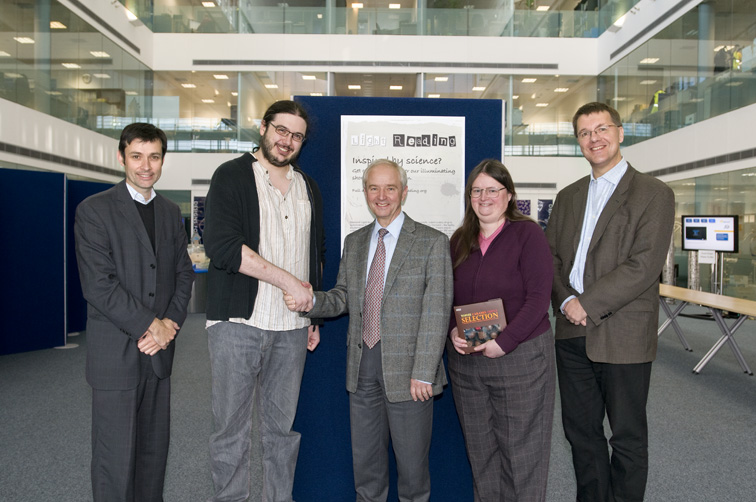
Oxfordshire residents are invited to take part in Diamond’s short story writing competition. Light Reading calls for participants to write a story up to 3,000 words, in any genre, inspired in some way by the science facility. Today saw the announcement of the winner of the staff pilot competition, which proved to be a great success.
-
news
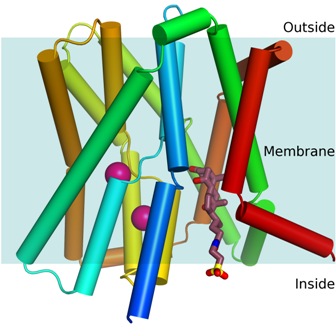
Scientists from Imperial College London and Diamond Light Source have revealed the structure of a cholesterol-lowering-drug target.
-
news
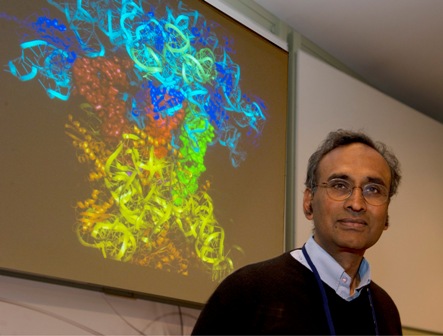
Nobel Prize winner Venki Ramakrishnan was among more than 200 scientists from across the UK who gathered at Diamond this week for the Synchrotron User Meeting 2011.
-
news
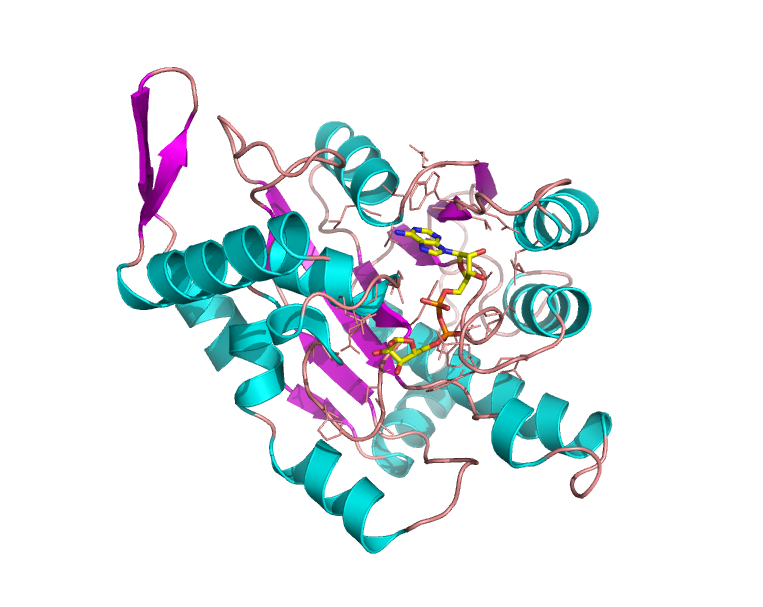
Scientists have succeeded in purifying a protein found in bacteria that could reveal new drug targets for inherited breast and ovarian cancers as well as other cancers linked to DNA repair faults. They used Diamond Light Source to solve the structure of the protein.
-
news
We are delighted to announce the launch of the Diamond Young Investigator Award 2011. Open to all PhD students or post-doctoral early career researchers who have used Diamond Light Source within the last 12 months (September 2010-11).
-
news
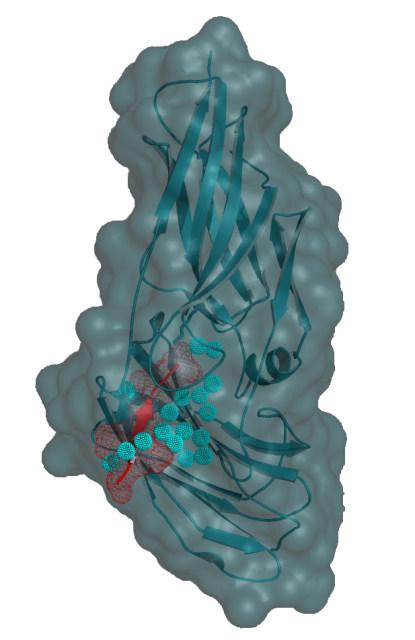
Researchers are a step closer towards creating a new class of medicines and vaccines to combat drug-resistant and deadly strains of fungal infections, following a new study published this week in Proceedings of the National Academy of Sciences.
-
news
Diamond is inviting the public to let their imaginations run away with them around the 562m particle accelerator and write a short story for a new national fiction competition, Light Reading.
-
news
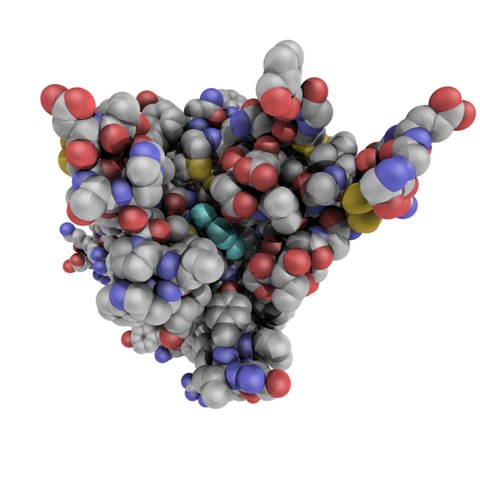
Scientists from Heptares Therapeutics have used Diamond Light Source, the UK’s national synchrotron facility, to understand the structure of a protein involved in Parkinson’s disease and other neurological disorders.
-
news
Hundreds of scientists use Diamond every year to carry out structural biology experiments, furthering our knowledge of the body and diseases, and paving the way for new drug treatments.
-
news
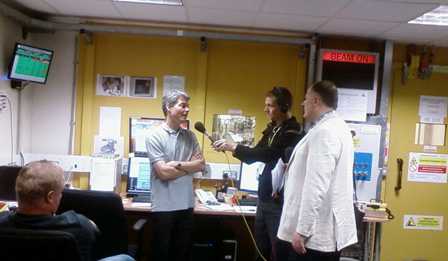
Radio 4's Peter Curran came to Diamond Light Source to meet some of the scientists who work at and use the UK's synchrotron.