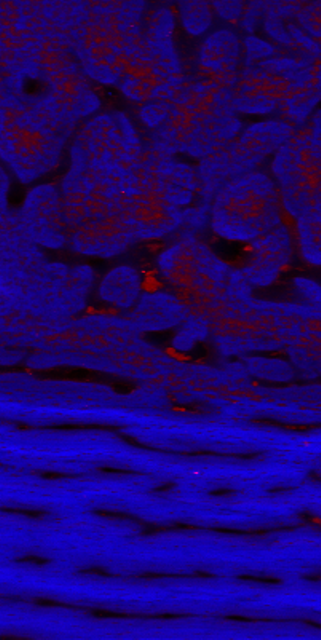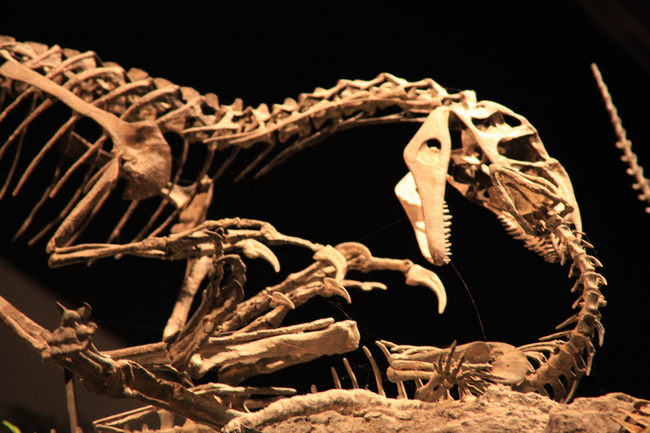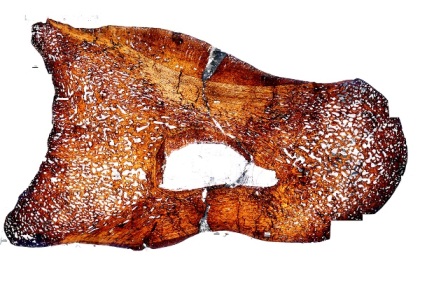
Dr Phil Manning, one of the paper’s authors based in Manchester’s School of Earth, Atmospheric and Environmental Sciences, said: “Using synchrotron imaging, we were able to detect astoundingly dilute traces of chemical signatures that reveal not only the difference between normal and healed bone, but also how the damaged bone healed.
“It seems dinosaurs evolved a splendid suite of defence mechanisms to help regulate the healing and repair of injuries. The ability to diagnose such processes some 150 million years later might well shed new light on how we can use Jurassic chemistry in the 21st Century.”
He continued: “The chemistry of life leaves clues throughout our bodies in the course of our lives that can help us diagnose, treat and heal a multitude of modern-day ailments. It’s remarkable that the very same chemistry that initiates the healing of bone in humans also seems to have followed a similar pathway in dinosaurs.”
Co-author Jennifer Anné said: “Bone does not form scar tissue, like a scratch to your skin, so the body has to completely reform new bone following the same stages that occurred as the skeleton grew in the first place. This means we are able to tease out the chemistry of bone development through such pathological studies.
“It's exciting to realise how little we know about bone, even after hundreds of years of research. The fact that information on how our own skeleton works can be teased out using a 150-million-year-old dinosaur just shows how interlaced science can be.”
Phil Manning and his team are taking part in the Royal Society Summer Exhibition this July. This
trailer film gives you an idea of what is in store for visitors.