





-
news
Scientists have mapped the movement of charge through a designer material for the first time by using a combination of X-ray and neutron techniques.
-
news
Investigating the role of T-cells in the type 1 diabetes
-
news
An international team of scientists led by Oxford University’s Dr Mark Senn have successfully demonstrated that a material can be manipulated to expand or contract at different rates when its temperature is changed.
-
news
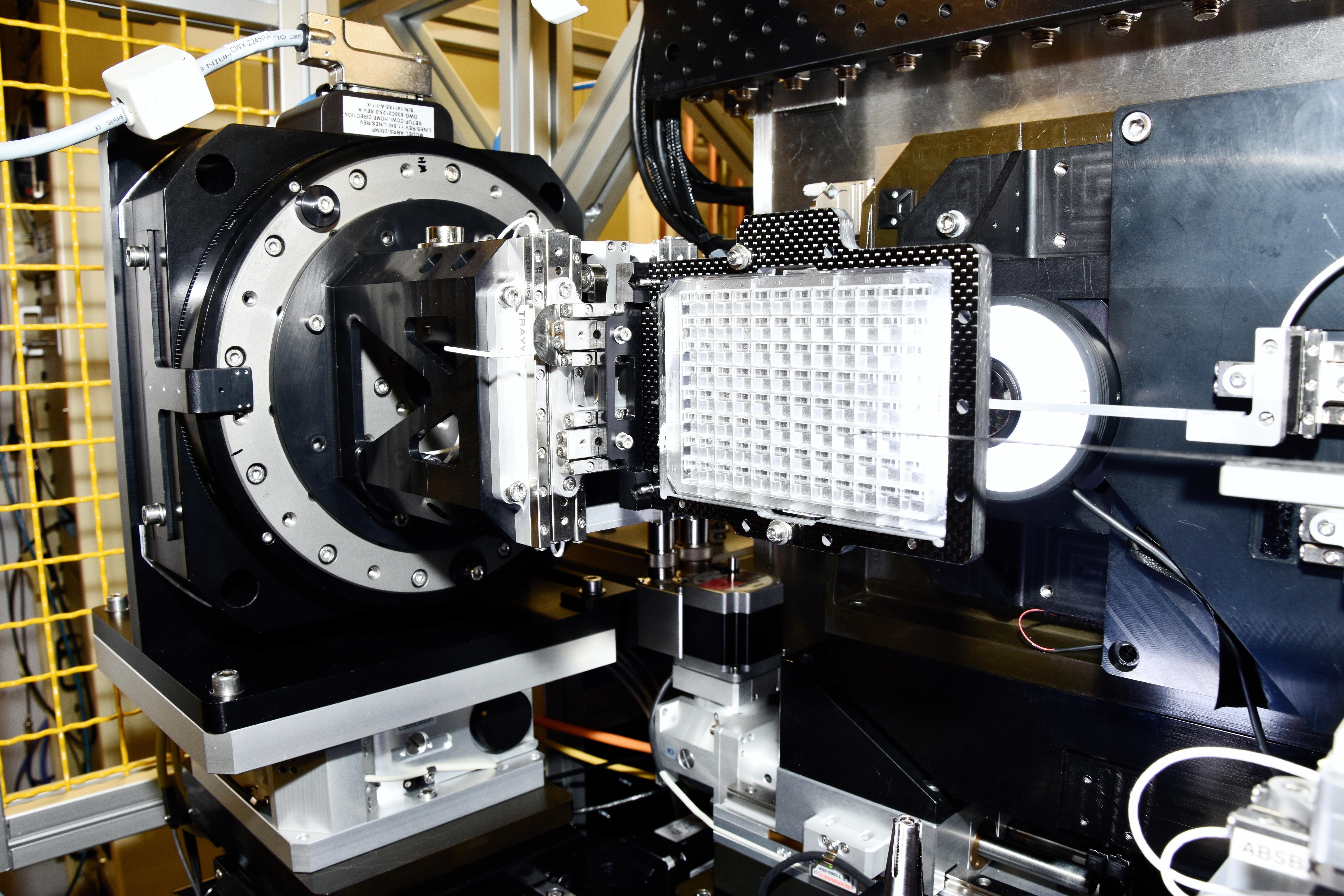
Diamond’s X-ray Pair Distribution Function beamline (XPDF) I15-1, has recently welcomed its first users.
The first facility of its kind it Europe, XPDF allows scientists to scrutinise the characteristics of a huge range of materials on the atomic scale.
-
news
Scientists make receptor discoveries that pave the way for new drugs to treat metabolic diseases
-
news
Scientists are untangling the mystery of how tropical bees are able to navigate through dense rainforests with brains the size of sesame seeds.
-
news
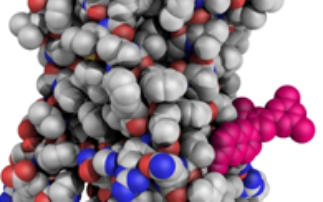
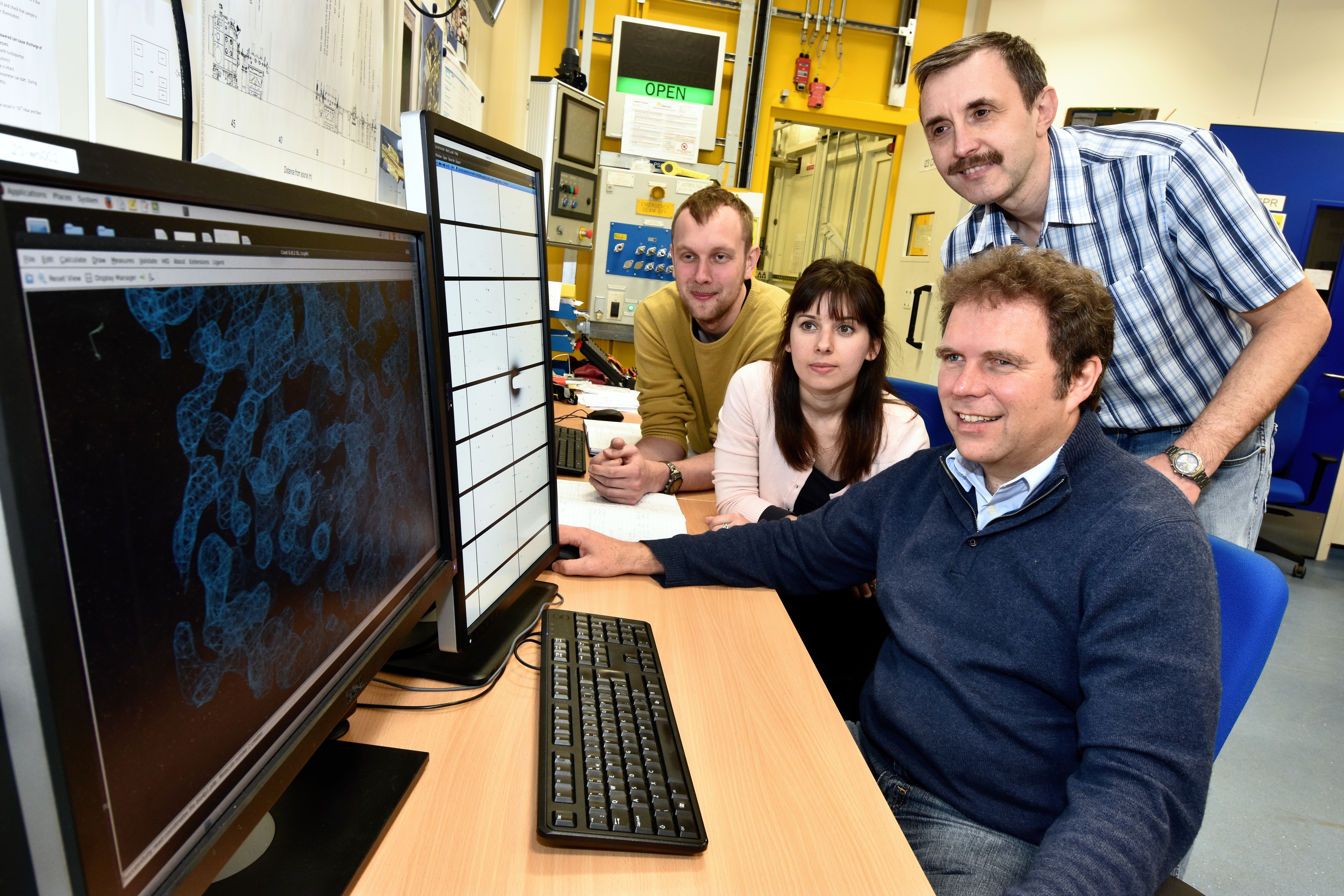
Scientists end 2-year-long struggle to unpick atomic protein structure using Diamond’s I23 beamline
-
news
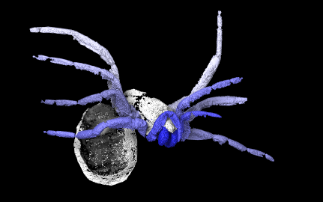
Diamond’s powerful X-rays reveal characteristics of ancient arachnid
-
news
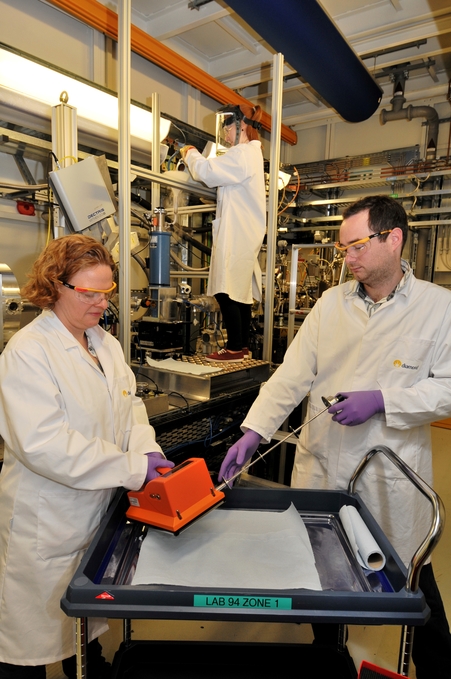
Researchers at The University of Manchester have discovered that an iron oxide mineral, hematite, reacts with radioactive neptunium to ‘lock it up’ within its structure.
-
news
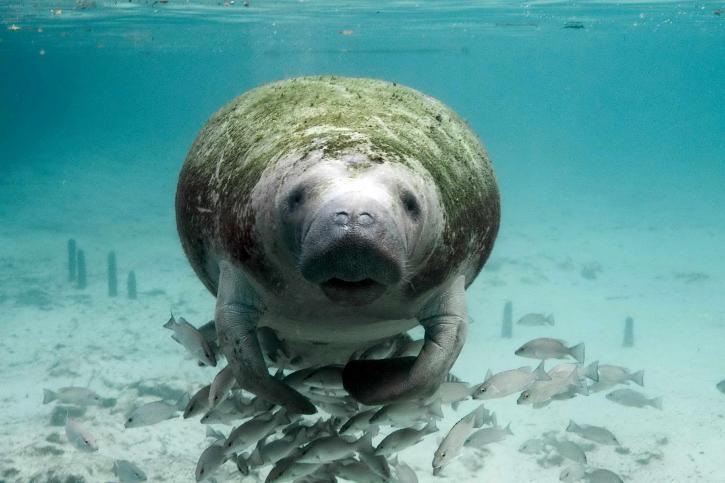
Famed for their gentle, slow-moving nature, sea cows (manatees and dugongs) are aquatic mammals closely related to the elephant. Now, their bone chemistry can be revealed for the very first time, after researchers from The University of Manchester, Diamond Light Source and College of Charleston utilised synchrotron-generated x-rays - which produce some of the brightest light in the universe - on 19 million-year-old fossil bones.
-
news
Scientists at the University of East Anglia are getting closer to solving the problem of antibiotic resistance.
-
news
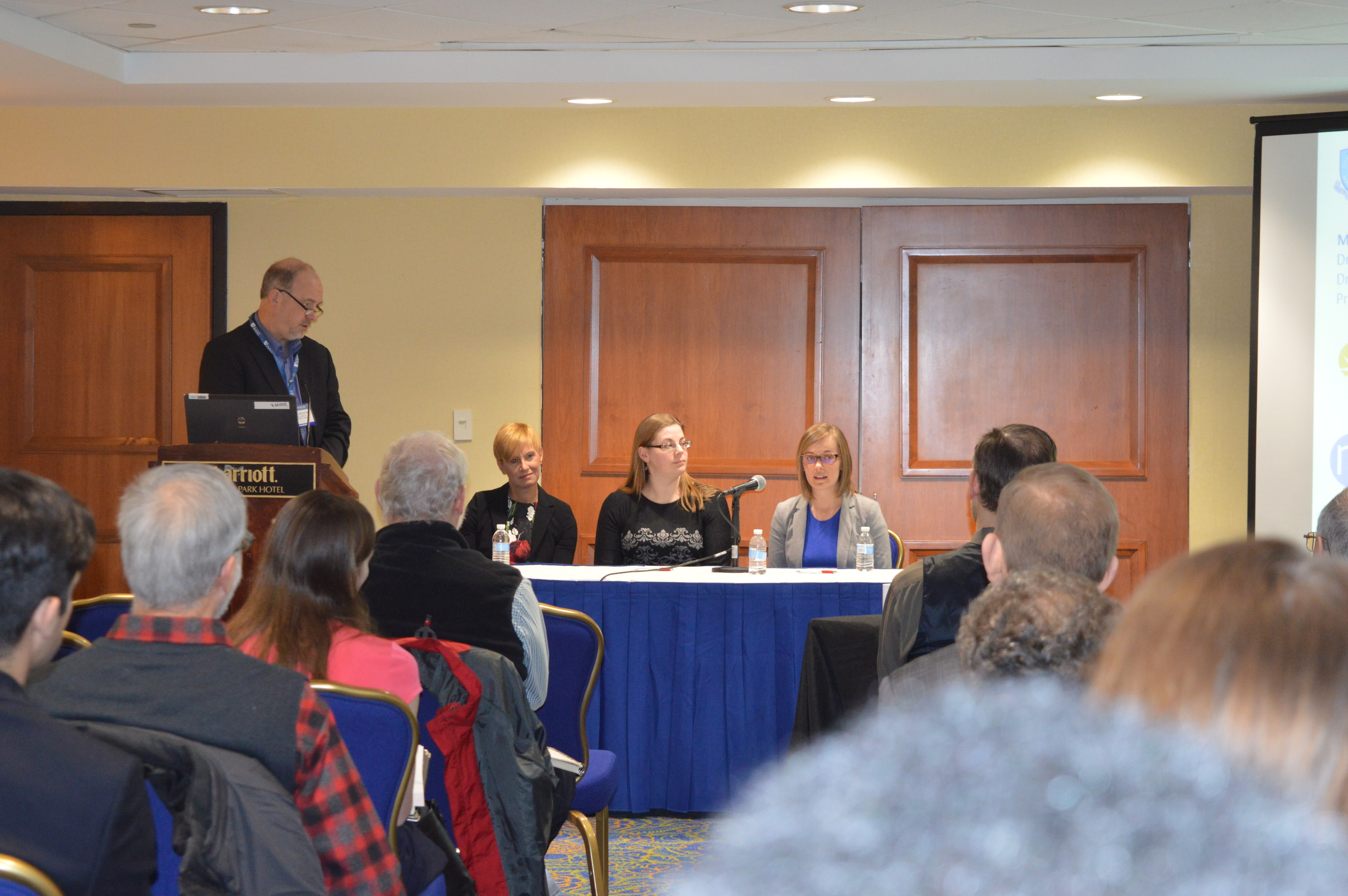
The annual meeting of the American Association for the Advancement of Science (AAAS), the world's largest general scientific society, provides researchers from across the globe with an exciting platform to share their latest results and thinking with a range of audiences. Around 7,000 people from 60 countries attend the meeting, which this year took place in Washington DC from the 11th – 15th February.
-
news
the American Association for the Advancement of Science (AAAS) annual meeting – will this year be discussing the advances enabled by the UK’s pioneering Long-Duration Experiment facility (LDE).
-
news
Experts to highlight importance of public engagement at world’s biggest science conference, in Washington DC
-
news
The UK’s synchrotron science facility, Diamond Light Source, is a hub for renewable energy and energy recycling research, but less known are its applications for nuclear energy.
-
news
‘Molecular movie’ opens door to new cancer treatments
-
news
Microscopic protein fragments found in breast milk could be used against antimicrobial resistance and genetic disorders
-
news
Bacterium’s flexible coils let it survive where others can’t
-
news
A new way of re-engineering the body’s immune system to target cancer
-
news
Research might lead to a cheaper, more efficient, hydrogen economy