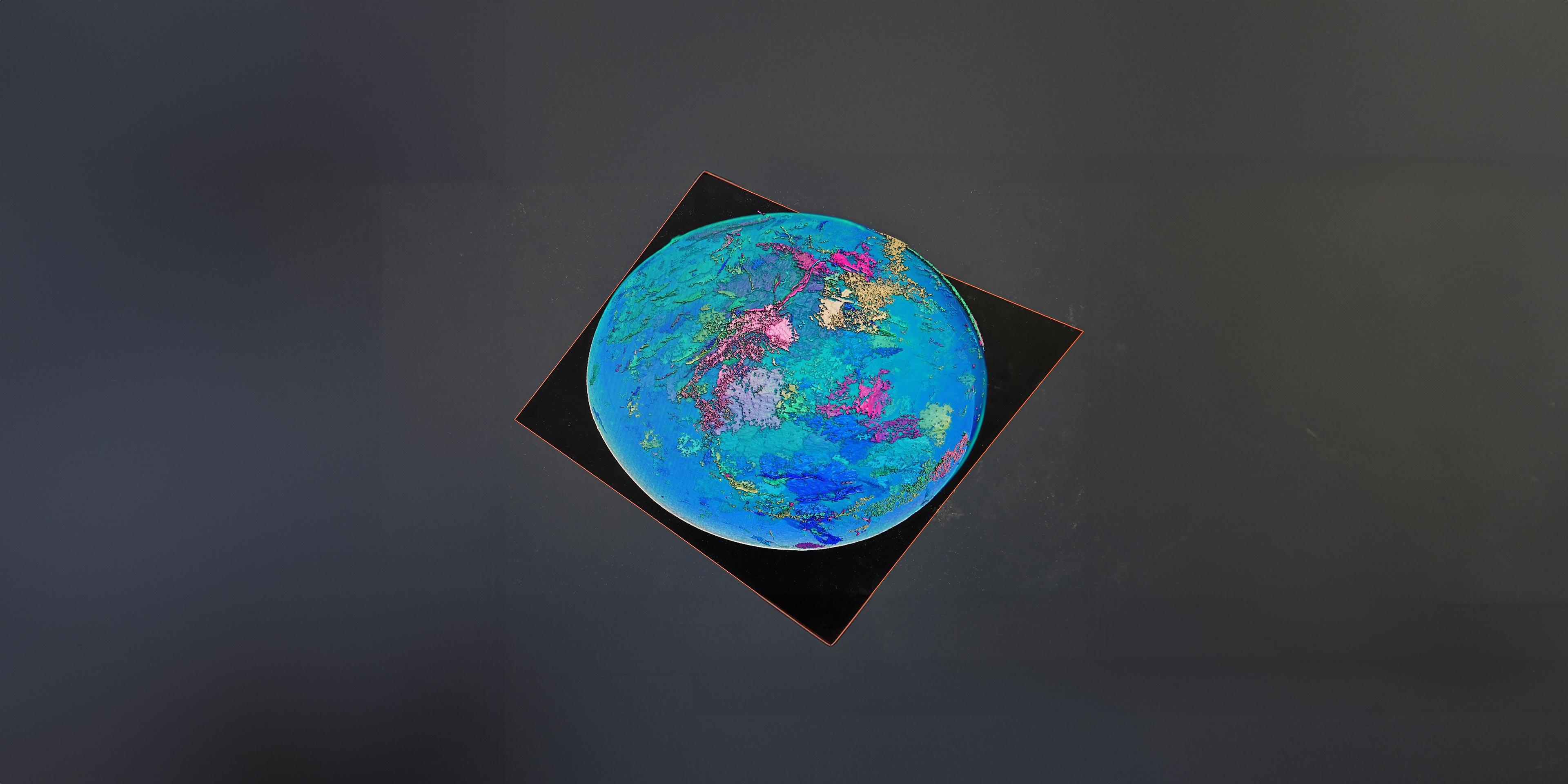
X-ray imaging, also known as radiography, allows us to peer beneath the surface of materials and organisms. Typically using a large incident high-flux X-ray beam, we can reveal intricate details that remain invisible to the naked eye. X-ray imaging involves either full-field illumination of the entire sample or focused scanning using a small spot across the sample.

There are two predominant full field X-ray imaging techniques, Absorption Contrast and Phase Contrast imaging.
X-ray-aborption

Absorption Contrast Imaging

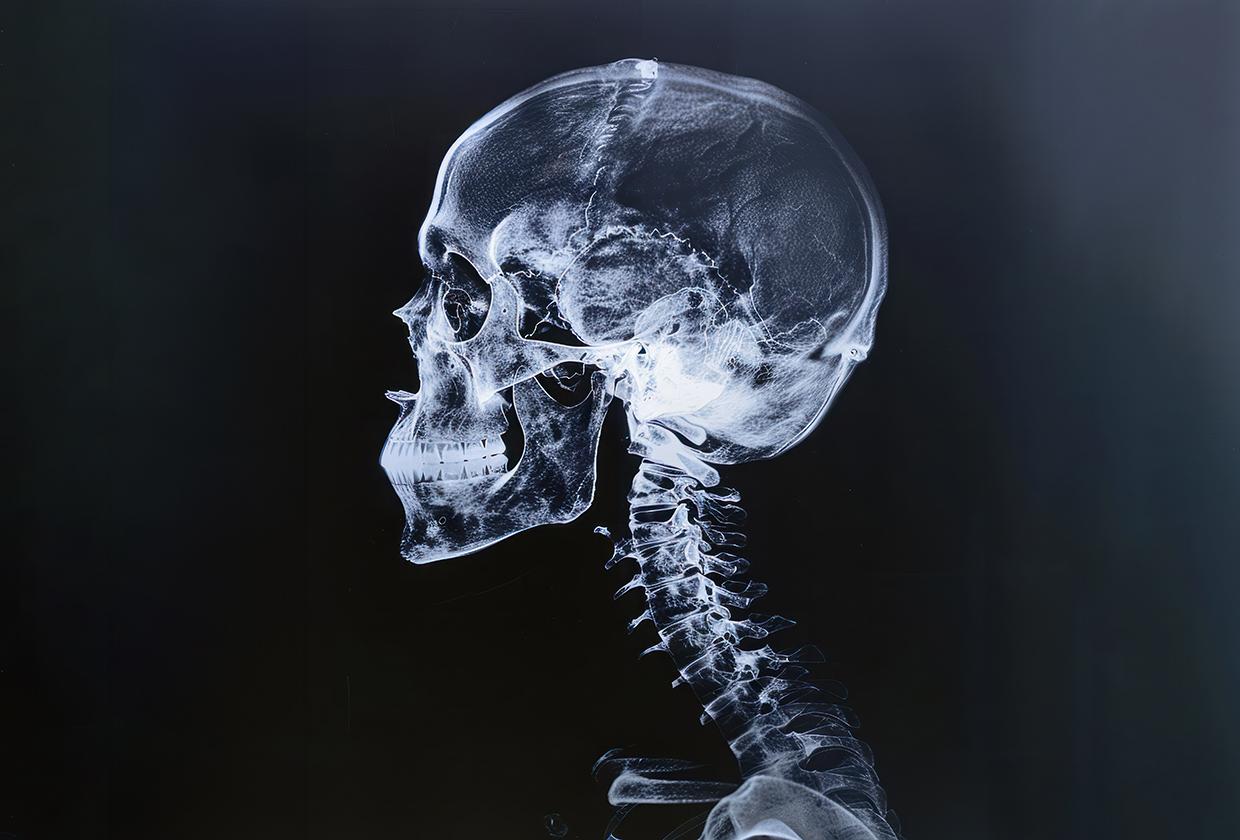
This technique is widely used in diagnostic imaging, where X-rays are used to probe objects with different densities. As the X-rays penetrate the object, they are absorbed at varying levels depending on the material’s composition. This differential absorption results in a contrast that reveals the object’s internal structure. This technique is especially crucial in medicine, providing clear images of the body’s interior for diagnostic purposes.

Phase-contrast_milk-powder

Phase contrast imaging

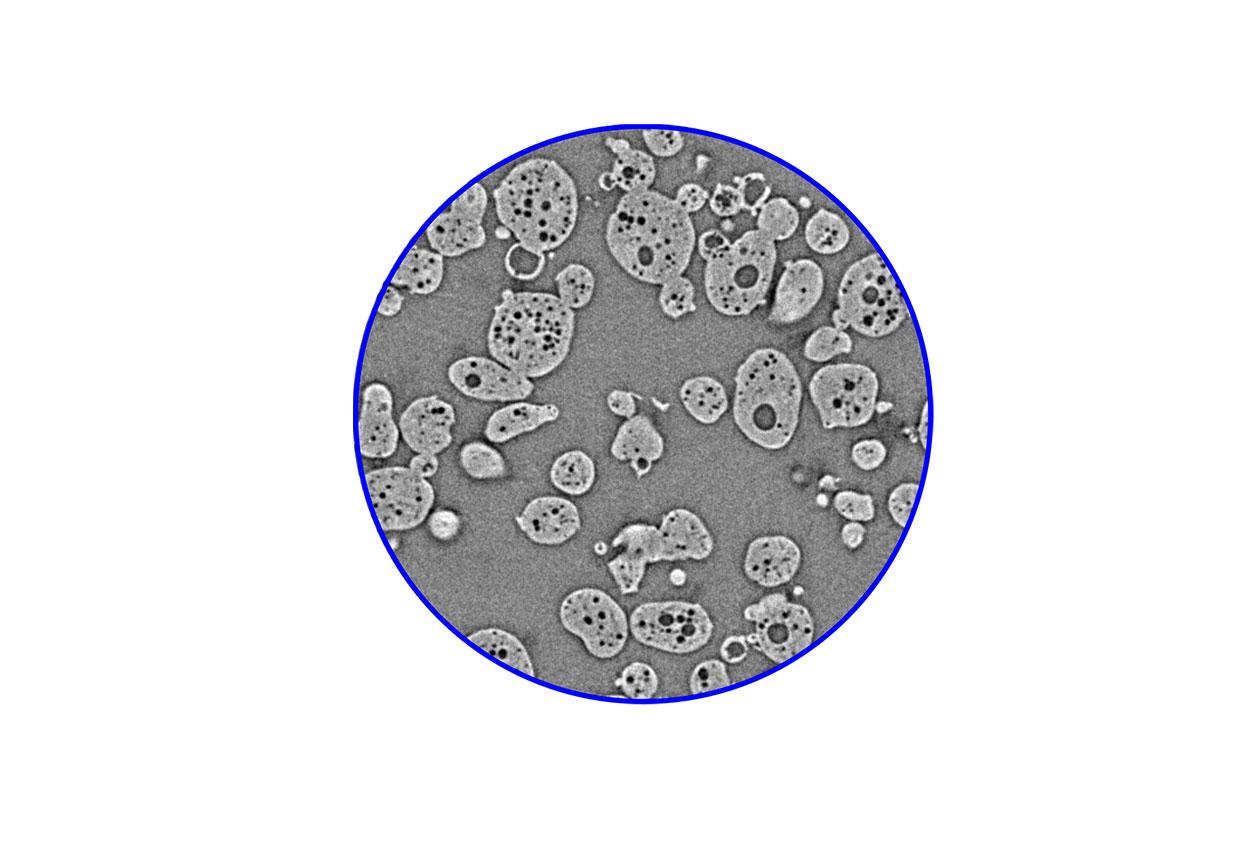
This imaging technique comes into play when absorption contrast imaging falls short, particularly in materials with minimal density differences. It leverages the refractive index variations between materials to generate contrast. As X-rays penetrate the material, they experience a phase shift - a change in the wave’s cycle - which accentuates the edges or interfaces within the material. By adjusting the distance between the sample and the detector, we can further amplify this effect, sharpening the edges in the resulting image. This method is exceptionally beneficial for visualising boundaries or internal layers in materials that have similar densities and structures, like foams, where conventional imaging might not provide clear differentiation.

3Dimaging

Tomography

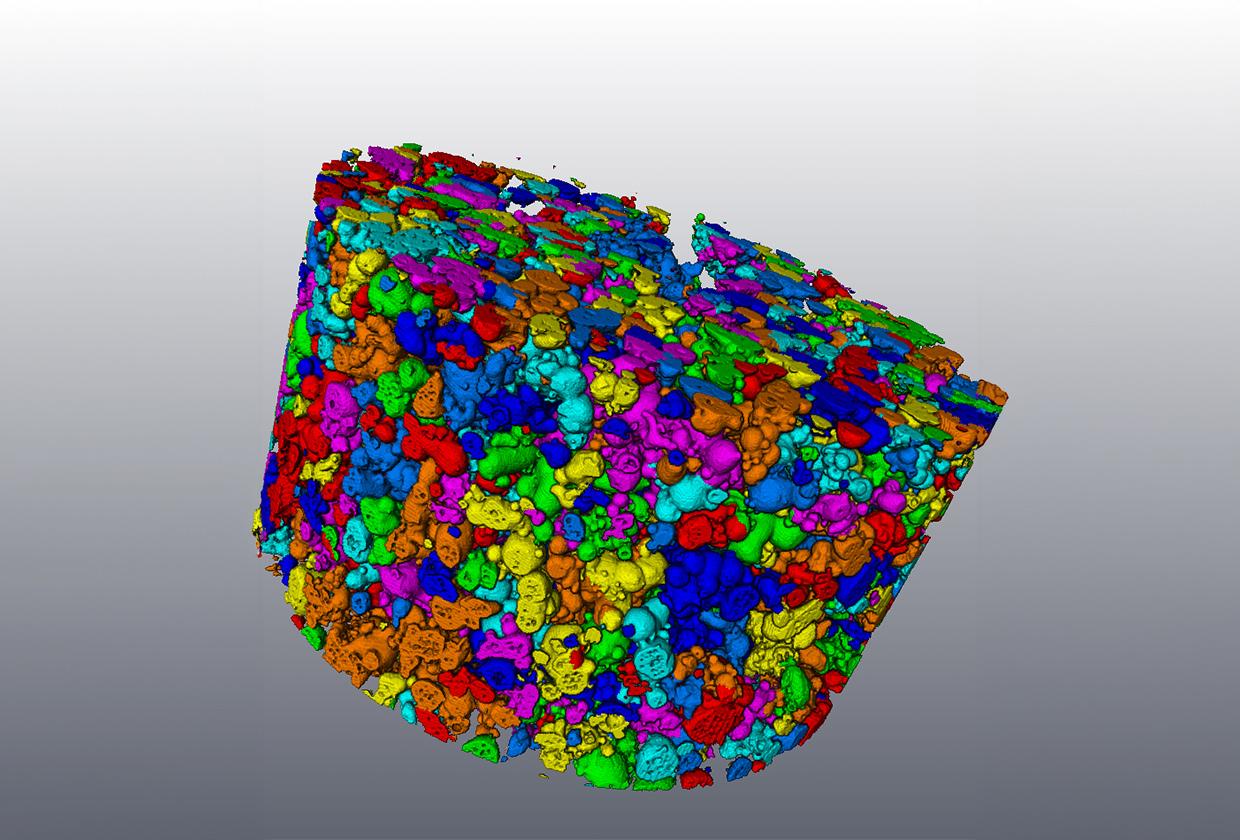
This imaging technique involves acquiring multiple 2D projections of a sample from different angles by rotating it. These projections are then meticulously reconstructed into a 3D image, or tomogram. By using thousands of projections across a 180-degree rotation, intricate 3D models of the sample’s internal structure are created. This allows for detailed visualisation of any cross-section within the sample, viewable from any angle, providing a comprehensive understanding of its internal composition.

Want to know more?

Get in Touch