Remote access to the rescue
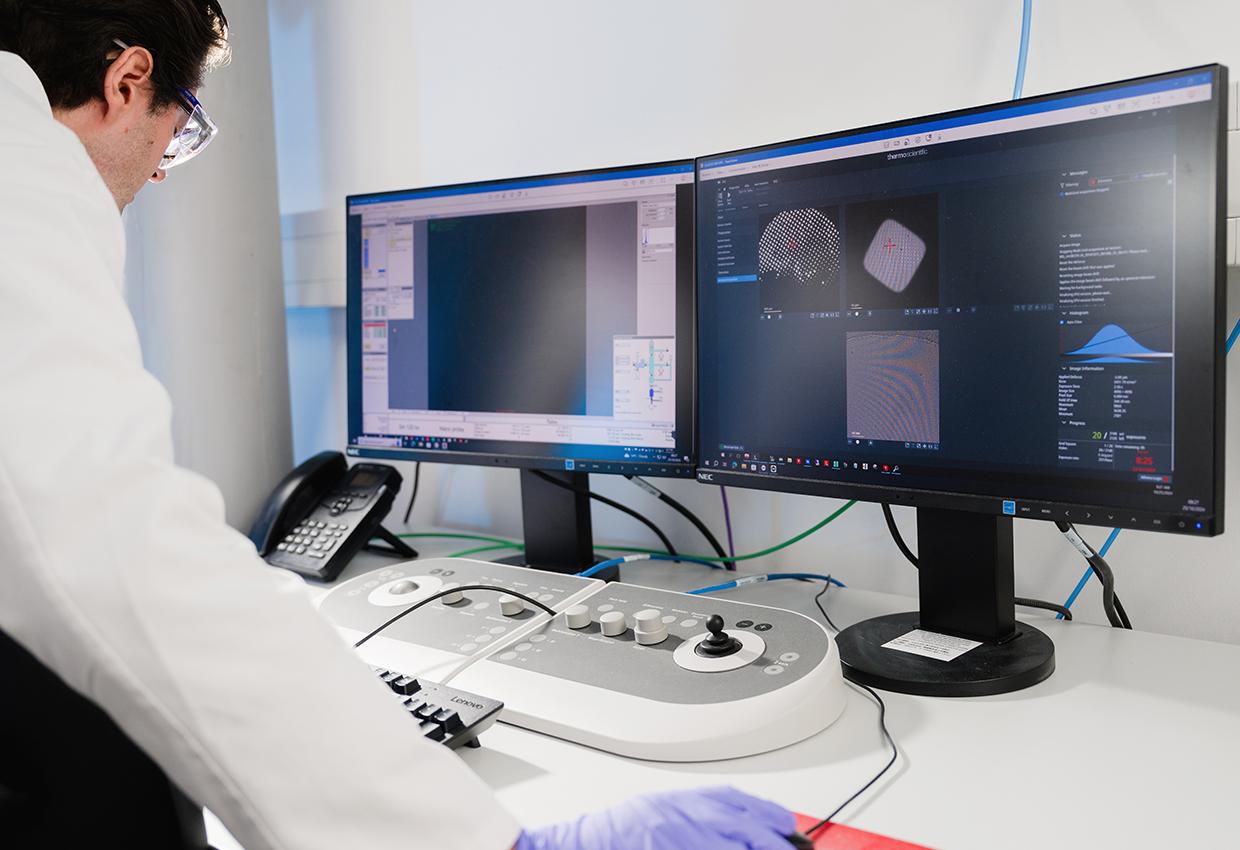
SBDD, like all pre-clinical drug development, is an activity intrinsically tied to a highly specialised lab environment where scientific experts drive and manage the discovery process. The restrictions on movement and gathering imposed by COVID therefore heavily impacted discovery efforts where activities couldn’t be pivoted to in silico methods or outsourced. Pipelines were also put on hold in favour of more critical COVID led research and teams were forced to collaborate more widely to resource and tackle the challenges of finding new therapeutics to stop the pandemic. This could not have happened without the help of technology.
Physical access to central research infrastructures was also impacted during the pandemic. For many research groups this meant an end to often exciting but exhausting multi-day trips to the synchrotron, with teams of scientists working in shifts around the clock to collect data from hundreds of crystals.
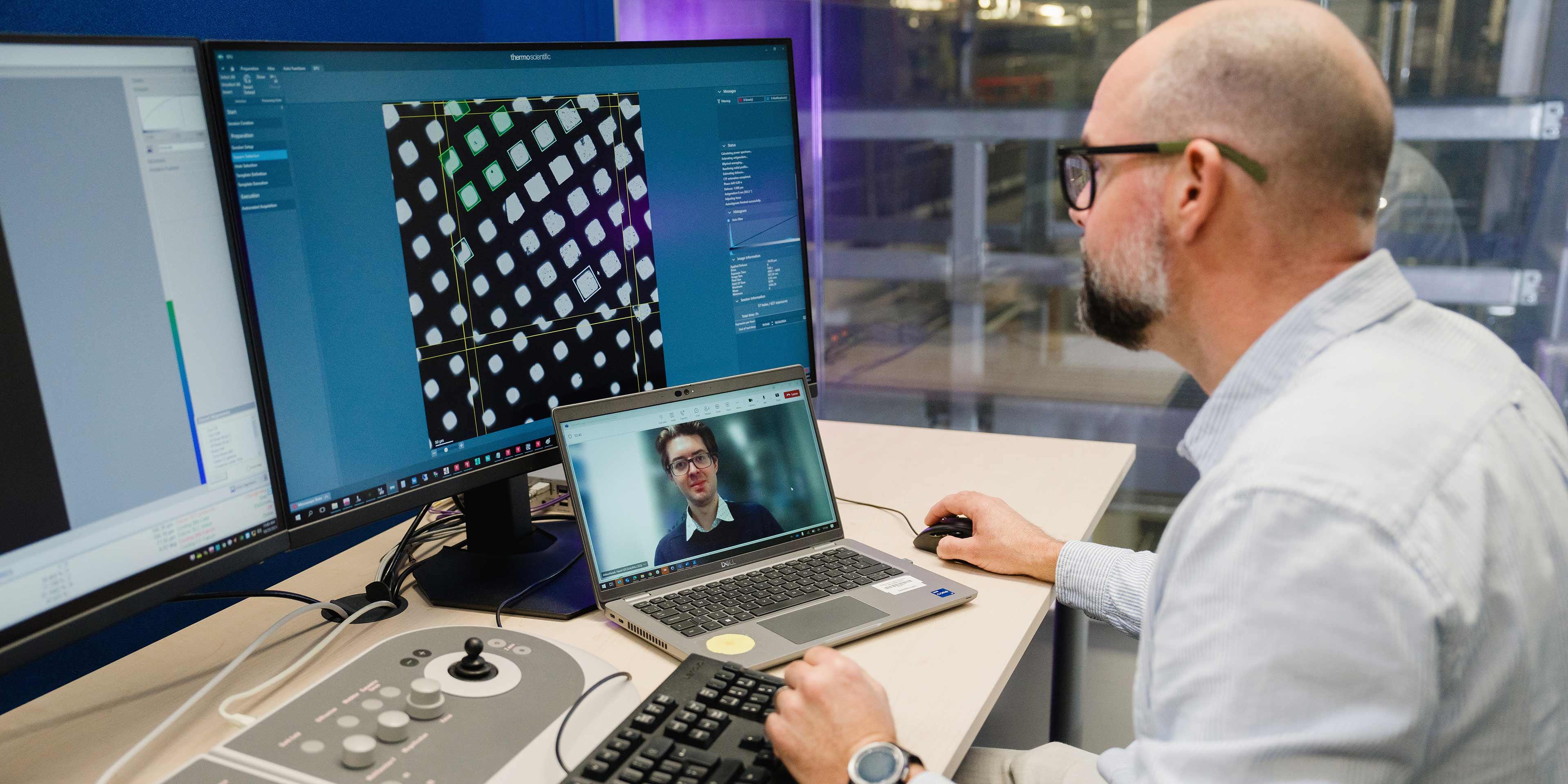
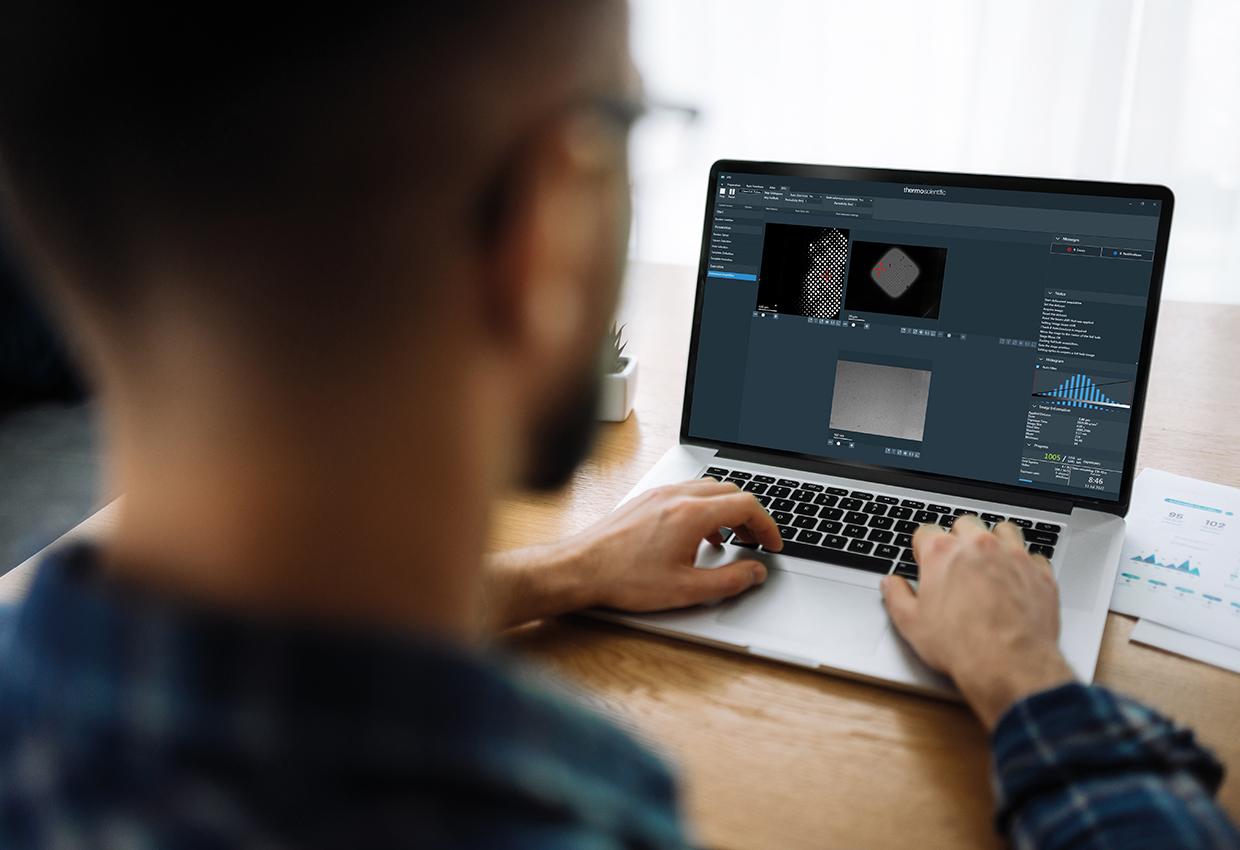
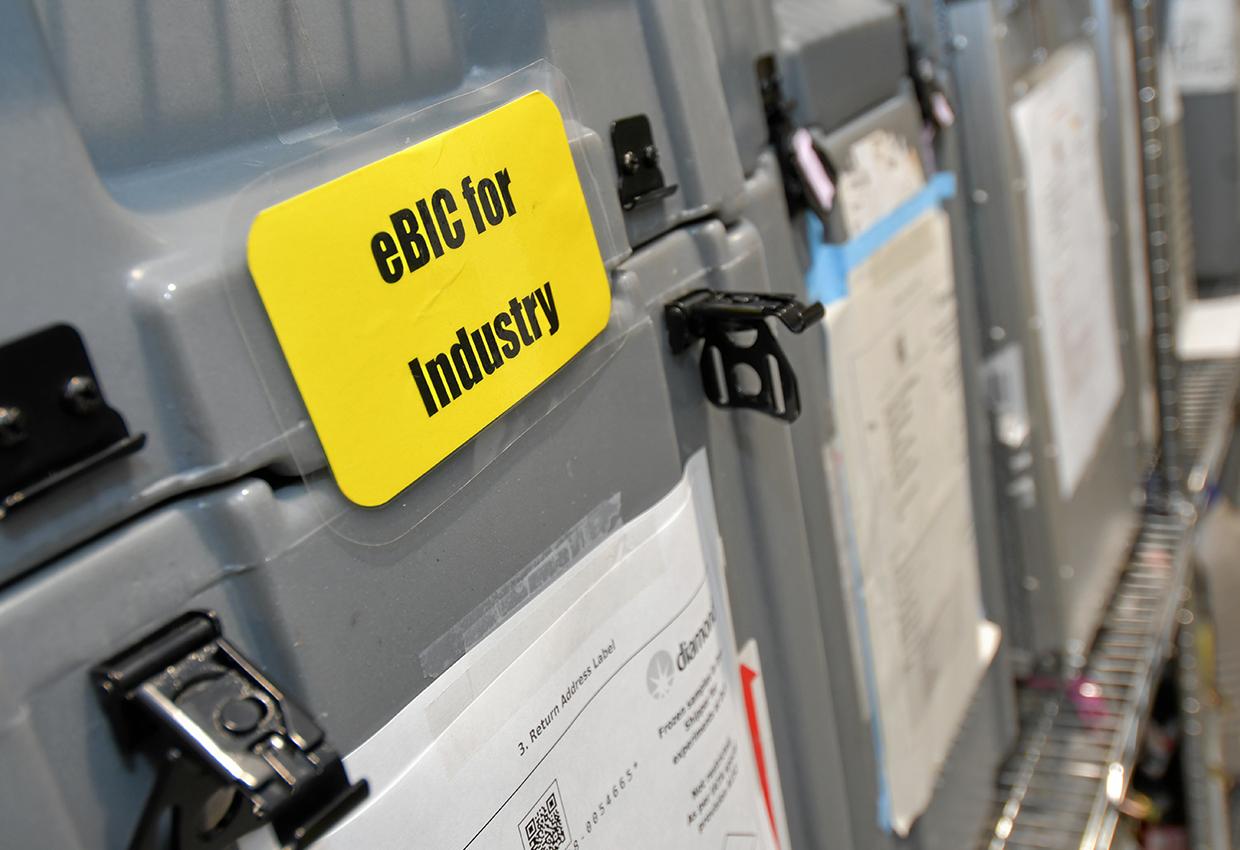
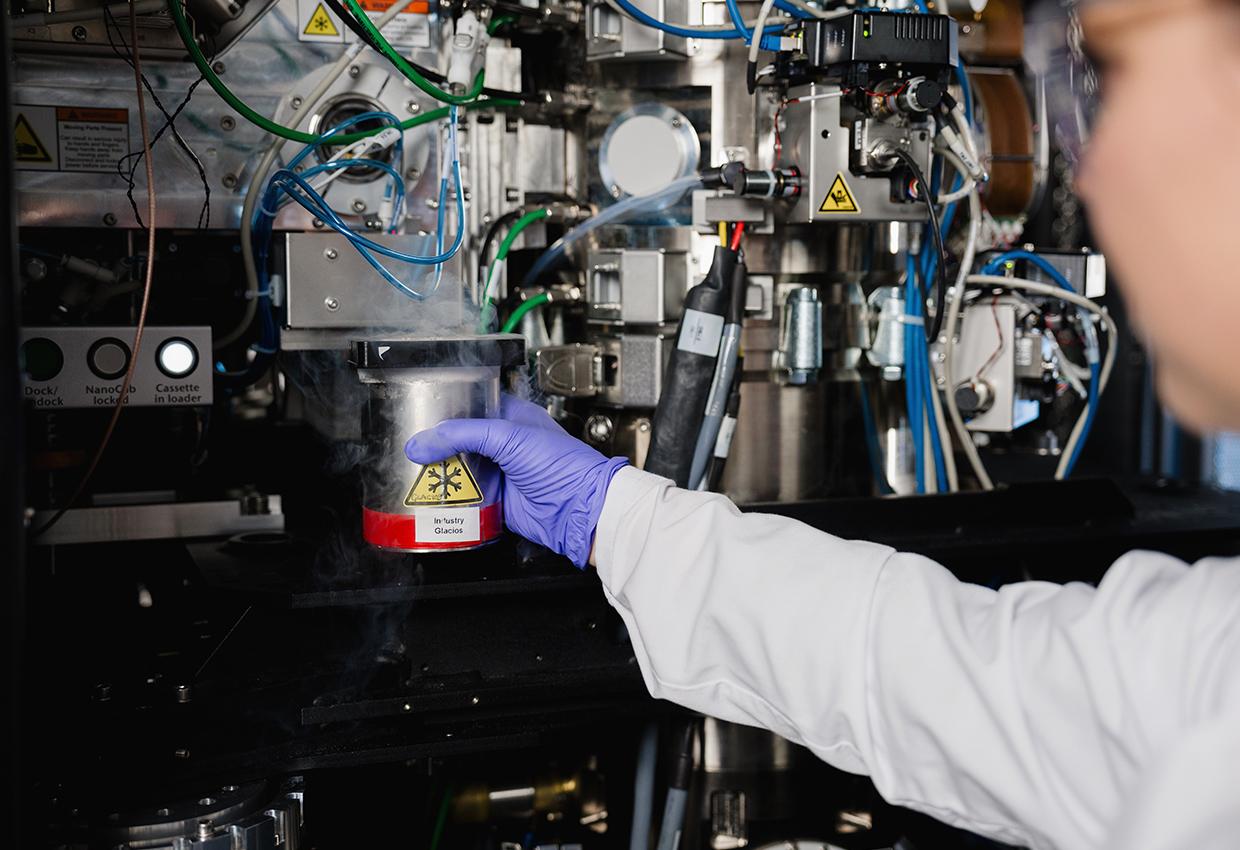
Luckily, this hasn’t meant a drop in measurement throughput though, as Diamond was perfectly placed to leverage its previous investment in remote and mail-in services to continue to deliver SBDD services. In fact, with a concerted effort from dedicated legal, user, sample, and data management teams within the integrated synchrotron campus, Diamond has been able to drive even faster turnaround times for macromolecular crystallography (MX) experiments and offer more flexible modes of access, such as fully unattended or remote access.
With a return to normality and a lifting of restrictions, it now appears that many research groups are choosing to maintain this mode of operation as it better suits their ways of working, increases throughput, and minimises costs.