The Solution
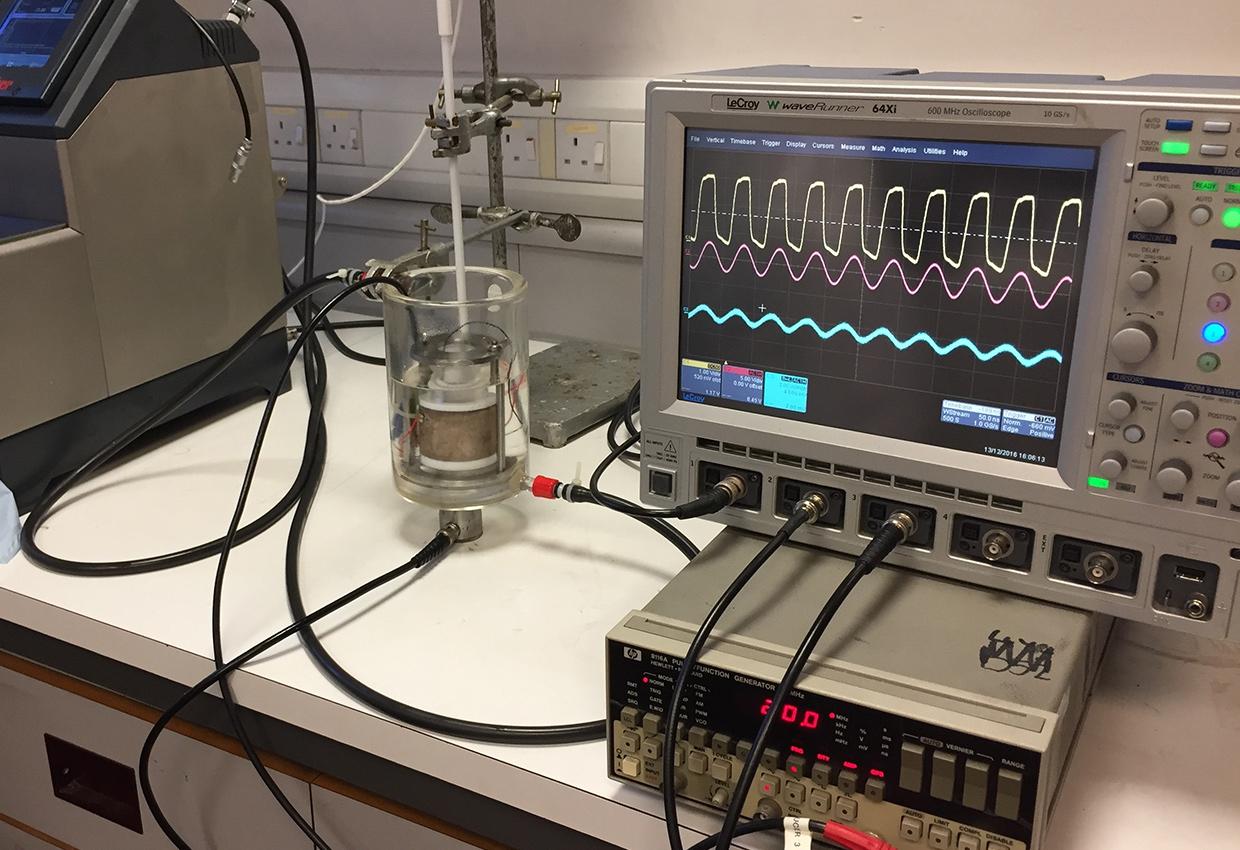
Working with Professor Megan Povey from University of Leeds, LST monitored crystallisation with ultrasound and, to begin with, the energies needed to affect the ‘critical nucleation processes’ (when a viable crystal is formed that can grow) were calculated. It was predicted that only low power ultrasound was needed and the first experiment was successful in stopping the nucleation of wax from solution and then starting it again when the low power ultrasound was switched off. This idea has now been patented around the world.
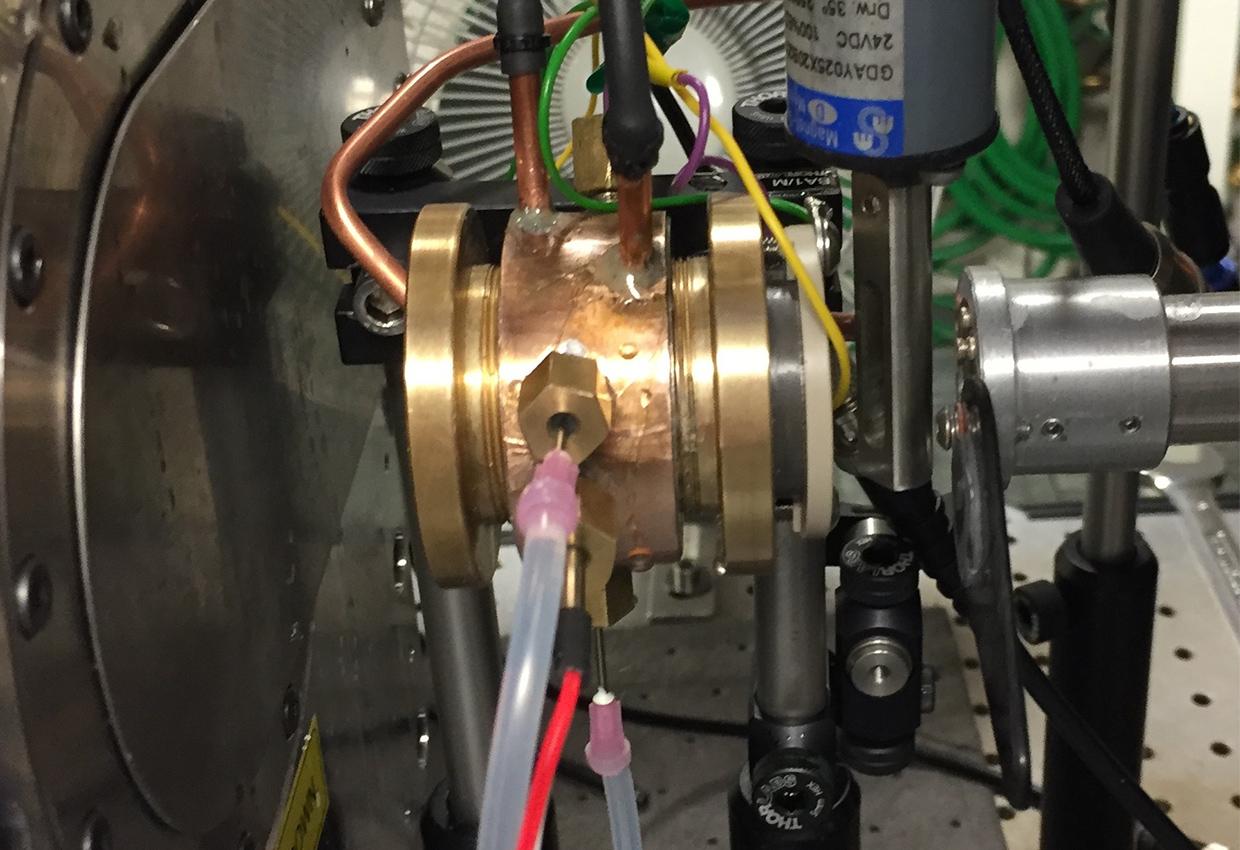
Using A4I and EPSRC grant funding, the team were able to further test their theory in situ on Diamond’s I22 beamline to fully understand the process at which crystallisation occurs. Using specially designed and built acoustic cells, they applied SAXS and WAXS analytical techniques to a mixture of waxes, fats and cocoa butter to simulate model systems of diesel fuel and foodstuffs.
In addition, they are extending this invention into the high‑pressure regimes with Dr Nick Brooks at Imperial College London. Modern diesel engines are now using extremely high pressures (3 kbar) and this means that wax will crystallise at higher temperatures. Research at Diamond has shed further light on this phenomenon.