Whole grains found to prevent chronic disease
Feb 26, 2013
Feb 26, 2013
The apparent links between various food types and the prevention of chronic diseases - such as type 2 diabetes, coronary heart disease (CHD) and hypertension - are well established. In particular, dietary fibre has long been regarded as a powerful means of reducing health risks. However, this study finds that it is not fibre, but whole grain cereals specifically, which prevent chronic disease.
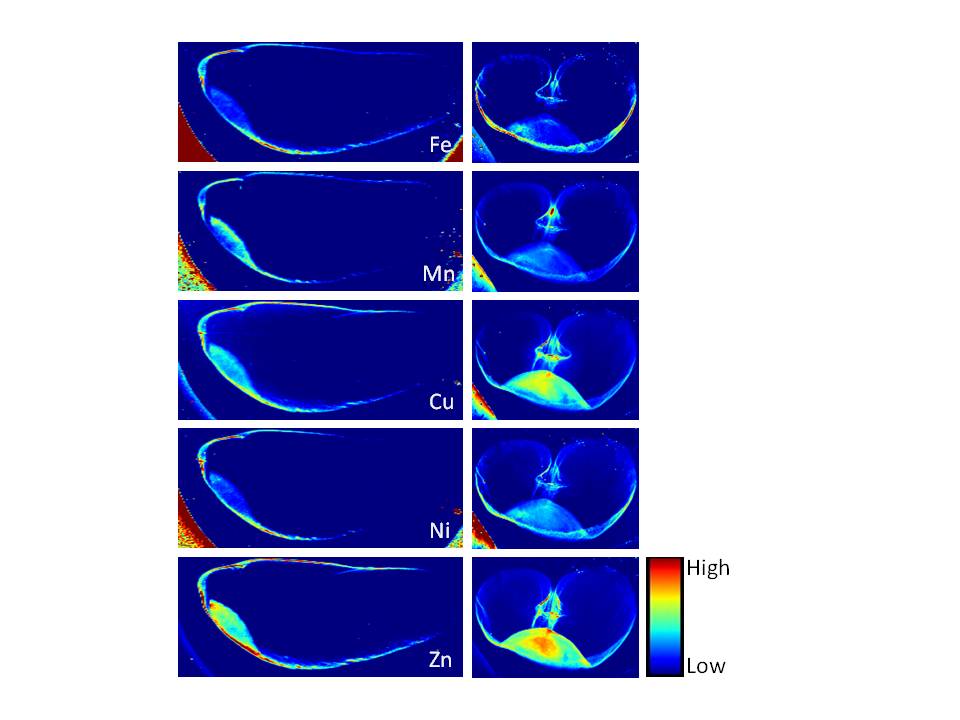 The research, conducted by a collaboration of scientists from Australia, the USA and the UK, finds that the importance of whole grain is under-appreciated by health care providers, resulting in severe whole grain deficiencies on national scales. The report presents “compelling evidence to suggest that increasing whole grain intake in modern societies is a pressing health concern”; and provides evidence to substantiate the purported relationship between whole grain and disease prevention.The scientists observe a direct link between whole grain consumption and incidences of type 2 diabetes, CHD and hypertension. This was observed even after allowing for lifestyle differences in general diet and physical exercise. As such, the report finds that increasing whole grain consumption by 40g and ideally 50g daily (approximately one bowl of whole grain breakfast cereal daily) could have a considerable impact on public health. Worryingly, the team estimates that approximately 80% of the population do not consume the required serving, and are thus subject to increased risks of chronic disease.

Diamond Light Source is the UK's national synchrotron science facility, located at the Harwell Science and Innovation Campus in Oxfordshire.
Diamond Light Source Ltd
Diamond House
Harwell Science & Innovation Campus
Didcot
Oxfordshire
OX11 0DE
Copyright © Diamond Light Source. Diamond Light Source® and the Diamond logo are registered trademarks of Diamond Light Source Ltd
Registered in England and Wales at Diamond House, Harwell Science and Innovation Campus, Didcot, Oxfordshire, OX11 0DE, United Kingdom. Company number: 4375679. VAT number: 287 461 957. Economic Operators Registration and Identification (EORI) number: GB287461957003.